Europe part 2: the Dordogne

I just don’t know how they do it.  I am, of course, talking about the French and their remarkable ability to maintain picture-perfect villages and a bucolic countryside.  There were no subdivisions, no Walmarts, and barely a building over three stories.  I had expected some nice scenery, but still, I was surprised…

Tired from an early morning departure from Lisbon (4 am wake up for a 7 am flight!), and cranky from a long and slow line at the rental car counter at the Toulouse airport, we wrangled the kids and luggage into the car and began our drive to Montignac, our base in the Dordogne.  At first, we both focused on the tasks at hand–navigating via iphone for me and driving via the autoroutes for Mr. No Nom.  As Toulouse began to fade in the rearview mirror and the kids finally drifted off to sleep we looked about and were glad to be back in France, where I can actually speak the language!  Rather than take the autoroute all the way to our destination, we decided to take the back roads for part of the way and mon dieu, this part of France is breathtaking with gently rolling hills and farmland punctuated with perfect villages built from yellow local stone with grey lauze (stone) roofs.

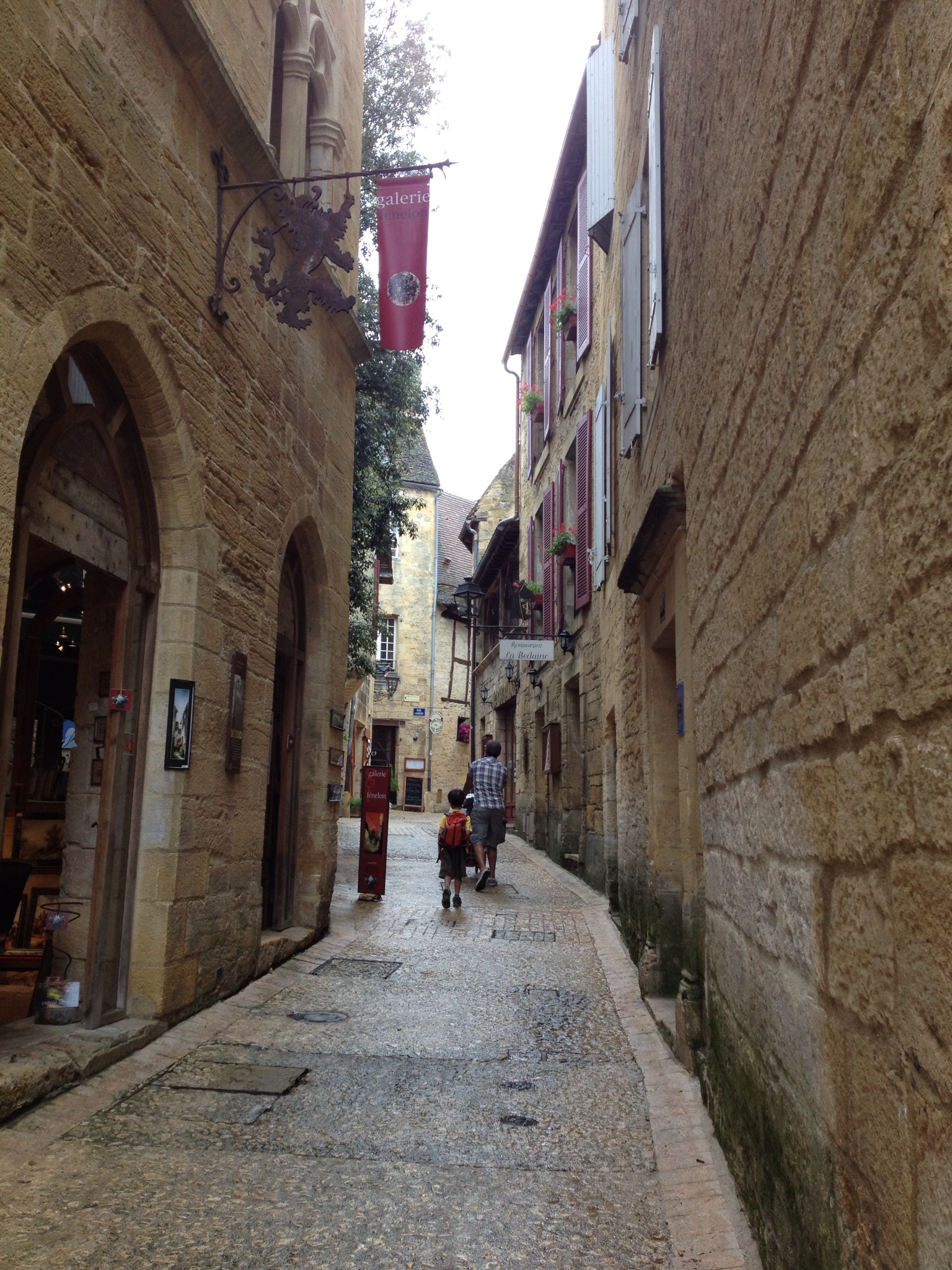
Seriously, I think we only came across one village that we didn’t care for; the rest were gorgeous and insanely perfect.  Each one seemed to have its own little boulangerie, patisserie, cute cafe and weekly (sometimes twice a week) marche.  (How do all these businesses make a living?  But they do and seem to be flourishing.)  I became quite partial to the villages along the Vezere and Dordogne rivers, where entire villages were either perched high up on cliffs or serenely hugging the river.  My favorite little village has to be St. Leon sur Vezere, where along the river there is a little grassy area with weeping willows (I have a soft spot for weeping willows)–perfect for picnics and just lazing about while an occasional canoe/kayak goes by.

It would be enough to just visit one beau village at a time and take in the breathtaking countryside, mais non, there are also churches, castles, prehistoric caves and troglodyte sites.  One could spend a month here and still not see everything.  Here are some of the highlights–all within an hour’s drive of our base in Montignac:

La Roque St. Christophe: A spectacular troglodyte site where cave dwellers lived some 55,000 years ago, and then became a medieval fortress and village (complete with a church) built into the sheer rock cliff overlooking the Vezere River.

Gouffre de Padirac: When I first tried to get Soup-er Boy interested in planning our trip to the Dordogne, I used this cave as a starting point.  What seven-year old boy wouldn’t be intrigued by a visit to a cave with a subterranean river running through it? And thanks to the wonder of the internet, I was able to give him a glimpse of what was to come.  He was hooked.  Legend has it the devil created this giant hole in the ground with his heel to challenge Saint Martin and indeed it has some otherworldliness about it with soaring caverns and deep green lakes.

– Canoeing on the Dordogne:  As we doubted our active toddler could sit still in a canoe for more than 5 minutes we left Soup-er Girl in the company of her doting grandparents and took Soup-er Boy on a 10 km trip down the Dordogne River.  It was a glorious summer day and I could not believe the astounding beauty that we saw from that canoe.  Village after village rose from the water’s edge and beautiful bridges gracefully arched over us as we paddled leisurely along, stopping for a picnic lunch along the way.  Soup-er Boy loved the canoe trip and waded in the water as we waited to be picked up by the canoe operation.  (First photo above is of the village of Beynac and the Chateau de Beynac up atop.)

Chateau de Castelnaud: After spotting the Chateau from our canoe on the river, we knew we had to visit.  Little did we know that the visit would be Soup-er Boy’s introduction to a new obsession: le trebuchet (sling-shot like catapult).  The Chateau is home to an impressive medieval armory museum, complete with informational videos, miniature battle scenes, and, of course, life-size trebuchets. (Below is pic of the Chateau from the river.)

St. Amand de Coly: I am not particularly religious or spiritual, but I do believe in the power of special places.  Mostly unadorned, save a couple of small frescoes, this 12th century fortified church in St. Amand de Coly exuded a graceful, powerful calm.

– The Cradle of Mankind: This corner of France is littered with prehistoric caves, many of which are open to the public, though entry to some require reservations months in advance.  We managed to visit Lascaux II and Grotte de Rouffignac–the former is a replica (partial) of the original Lascaux cave and known as the Sistine Chapel of Prehistory, and the latter is famous for its depictions of mammoths.  The level of detail in Lascaux II is extraordinary, from the paintings to the shape/surface of the cave wall, every aspect is precise down to 1 millimeter.  While the original Lascaux cave is closed to visitors for preservation purposes, Rouffignac and its original mammoth paintings are  accessible via electric train (to Soup-er Boy’s delight!).  Sorry, photos weren’t allowed.

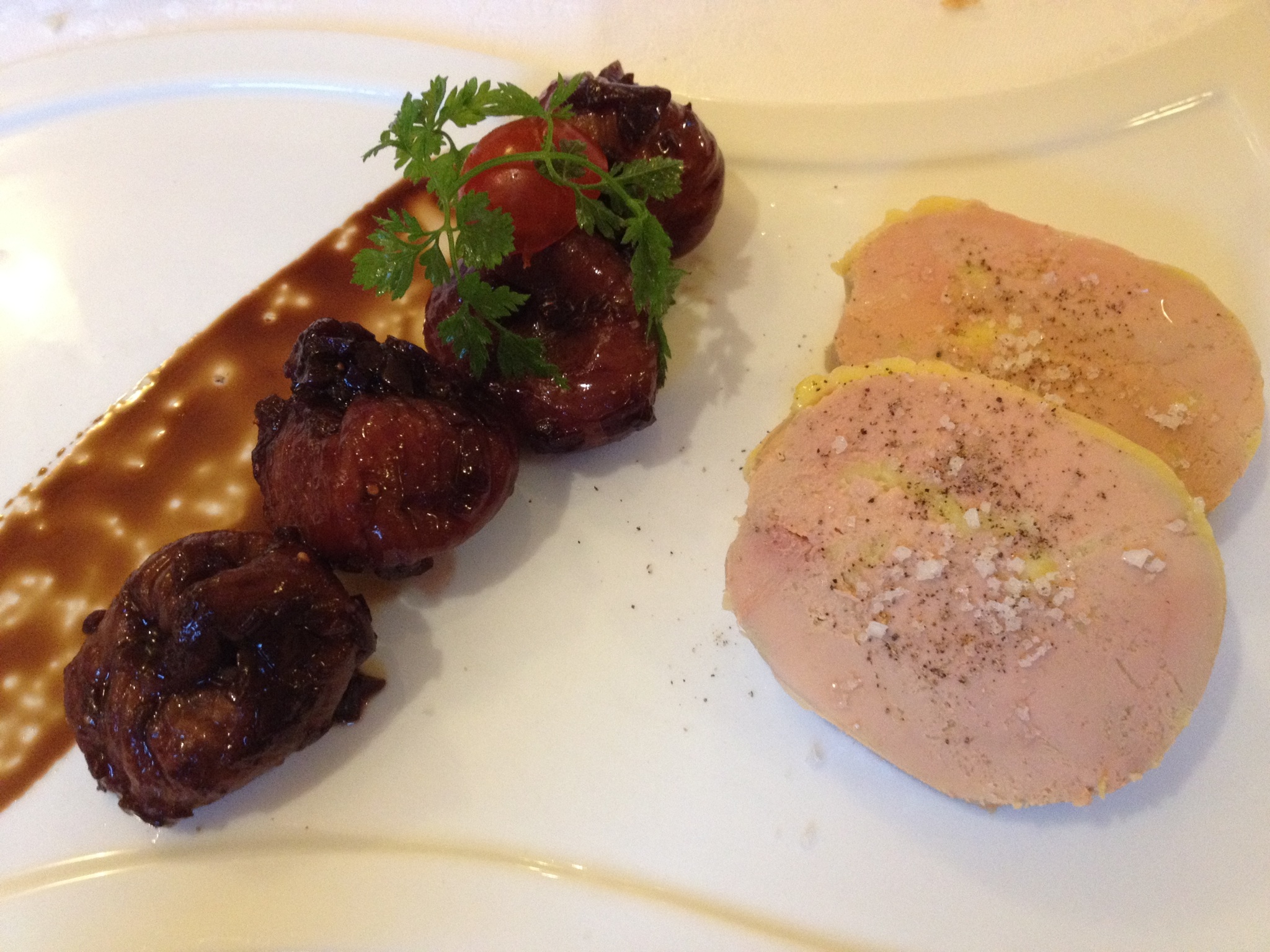
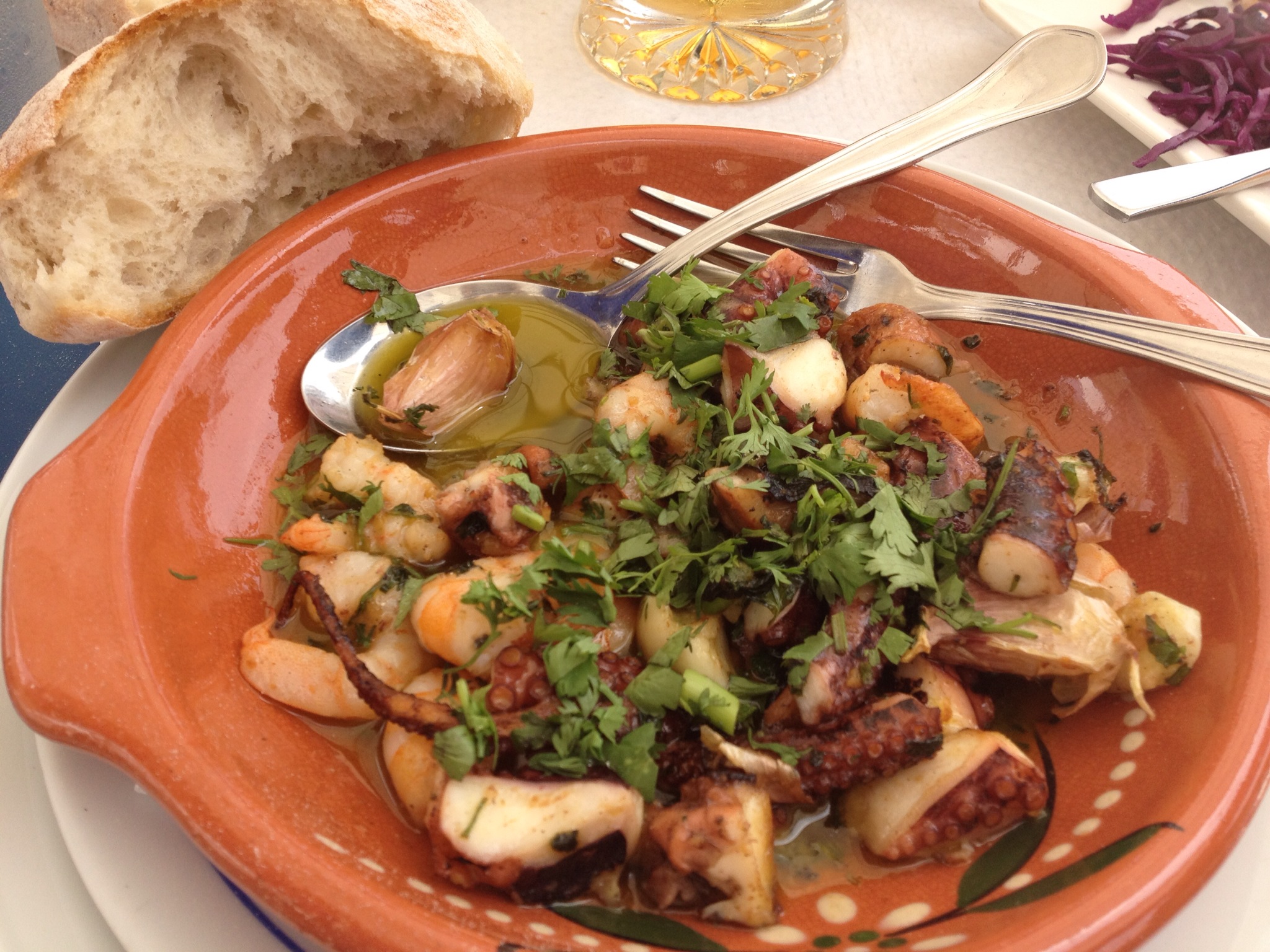
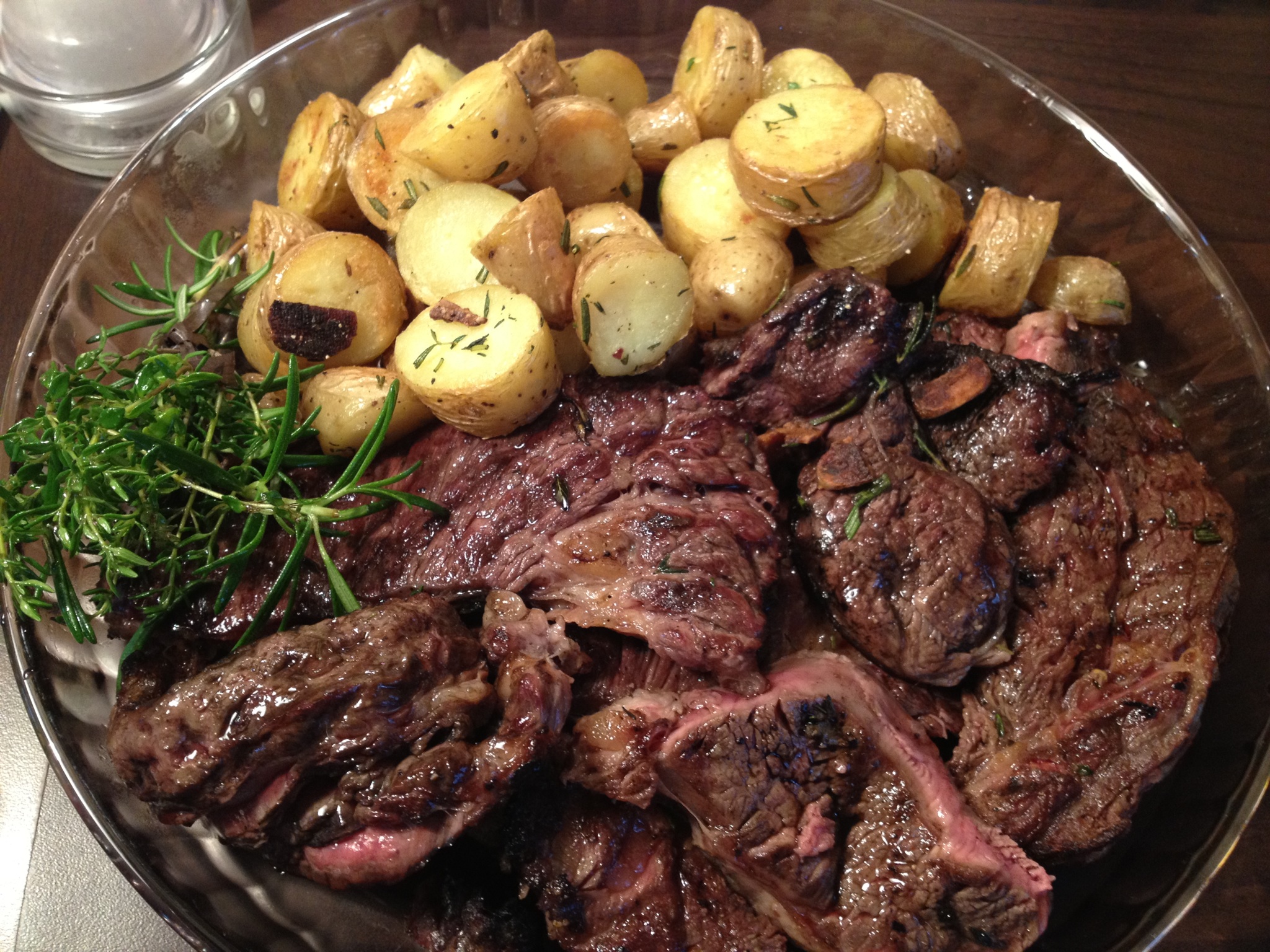
– And lastly, the food, oh the food!  When we sat down for lunch in Sarlat, our first meal in France, I was giddy with joy and anticipation.  I hadn’t ordered anything particularly special, just a salad with lardon and some local sheep cheese, but I was happy to be back in France and looked forward to all the local delicacies.  From our farmhouse base, we had a daily breakfast of croissants, pain au chocolat, fresh baguette, cheese and that special yummy french butter.  We even grilled steaks for dinner one evening, served with haricots vert, pan-seared potatoes, and an offering of olives and pickled garlic from the farmers market. And given our location in the Perigord, duck and foie gras were often on the menus when we ate out.  In short, we ate like kings and queens, and below is the proof.
Posted in travel | Tagged , , , , , , , , , , , , | Leave a comment

The Commune in detail

Everyday I am thankful for The Commune–a little bit of sanity and comfort in the midst of our crazy lives and our crazier world.  So, if you’ve ever wondered just how I can appear to be a thoughtful, put-together, and recently-showered mother of two, head on over to anjalimitterduva.com or veronicas-nap.com to find out.  And may all of you find your commune!

Posted in Uncategorized | Leave a comment

Europe part 1: Portugal

Ah, Europe.  Like an old friend, She welcomed me back this summer with magnificent scenery, delicious food and friendly locals.  Now, Mr. No Nom de Blog will be quick to call me on my selective amnesia and remind me of the challenges of traveling with young children: a two-year old in need of constant entertaining and who refuses to sit still at restaurants, and a picky seven-year old whose most memorable meal from the trip was most likely the McDonald’s chicken nuggets that he got in Sarlat.  Yes, yes, I will concede those points, and indeed eating out was often difficult with both kids. But, even with all the challenges, Europe has a hold on me that makes it hard to think of planning vacations to any other part of the world.  And really, our kids were never the worst ones on the plane or train (thank god for other screaming children!) and Soup-er Boy did broaden his macaron repretoire beyond just chocolate!  So, am now pondering Croatia for our next European adventure… hee hee.

But back to this trip.  If Europe is like an old friend, then Portugal must surely be the old aunt, whose faded grandeur hints at a glorious past and whose present is full of unexpected pleasures.  For this first trip to Portugal, we decided to stay outside of Lisbon, near Sintra in the small town of Colares, which is about 2 km from the western coast.  I had never been to Portugal before, and despite all the planning didn’t really know what to expect.  The one thing that quickly became obvious was my inability to grasp  the language.  Boston has a large Portuguese population and I’ve heard the language spoken often, but god help me I just couldn’t get the intonations or pronounce the “eshes” appropriately. My linguistic ineptitude persisted throughout the trip and contributed to a vague understanding of Portugal and the people.  With only one week, my meager experiences in Portugal left me with a few thoughts:

– I liked Sintra and the area around it more than I liked Lisbon.  In particular, I found the cultural and historical sites more interesting, unique, and better situated.  Set among rolling hills and thick forests, Sintra literally has a surprise around every hairpin turn in the too-narrow road.  From the Moorish Castle (c. 8th century) and the Pena Palace (c. 18th century) to the Montserrat Palace (c. 19th century) and the Quinta da Regalaria (c. 20th century), Sintra’s highlights are indicative of the confluence of Arab and European styles and history in Portugal.  And the results are breathtaking. Beautiful turrets and spires blending seamlessly with Moorish arches and golden domes.  I particularly enjoyed spying the castles and forts amidst the forests and from across the valleys as we drove to and from our little villa–though I did have the luxury of sightseeing while Mr. No Nom dealt with a temperamental manual transmission on hilly, narrow roads shared with trucks and giant tour buses.

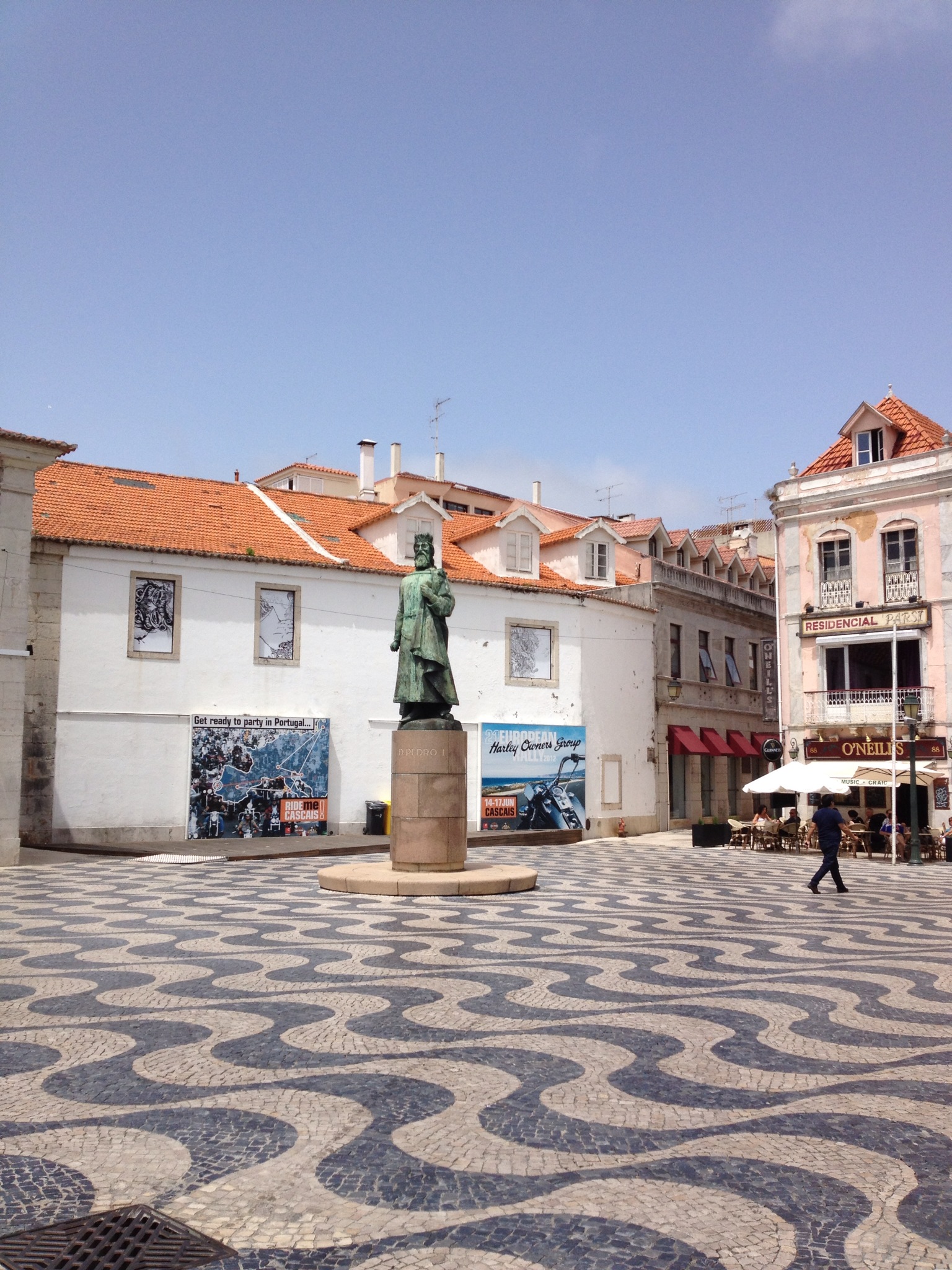
– In total we spent about 12 hours in Lisbon and really did not have a chance to get to know the city.  The tiled squares were lovely but we didn’t have much time to soak in the ambiance.  And our rushed trek through the Alfama (with four kids!) gave us only a glimpse of a quaint life in the midst of the bustle of city life.  I wish we had more time to spend in Alfama and Graca.  As it was, we made our way up the hill on tram #28, got lost trying to find the Sao Jorge Castle, gave up and simply wandered our way down, thankful that the stroller wheels didn’t lose their battle against the cobblestone streets.

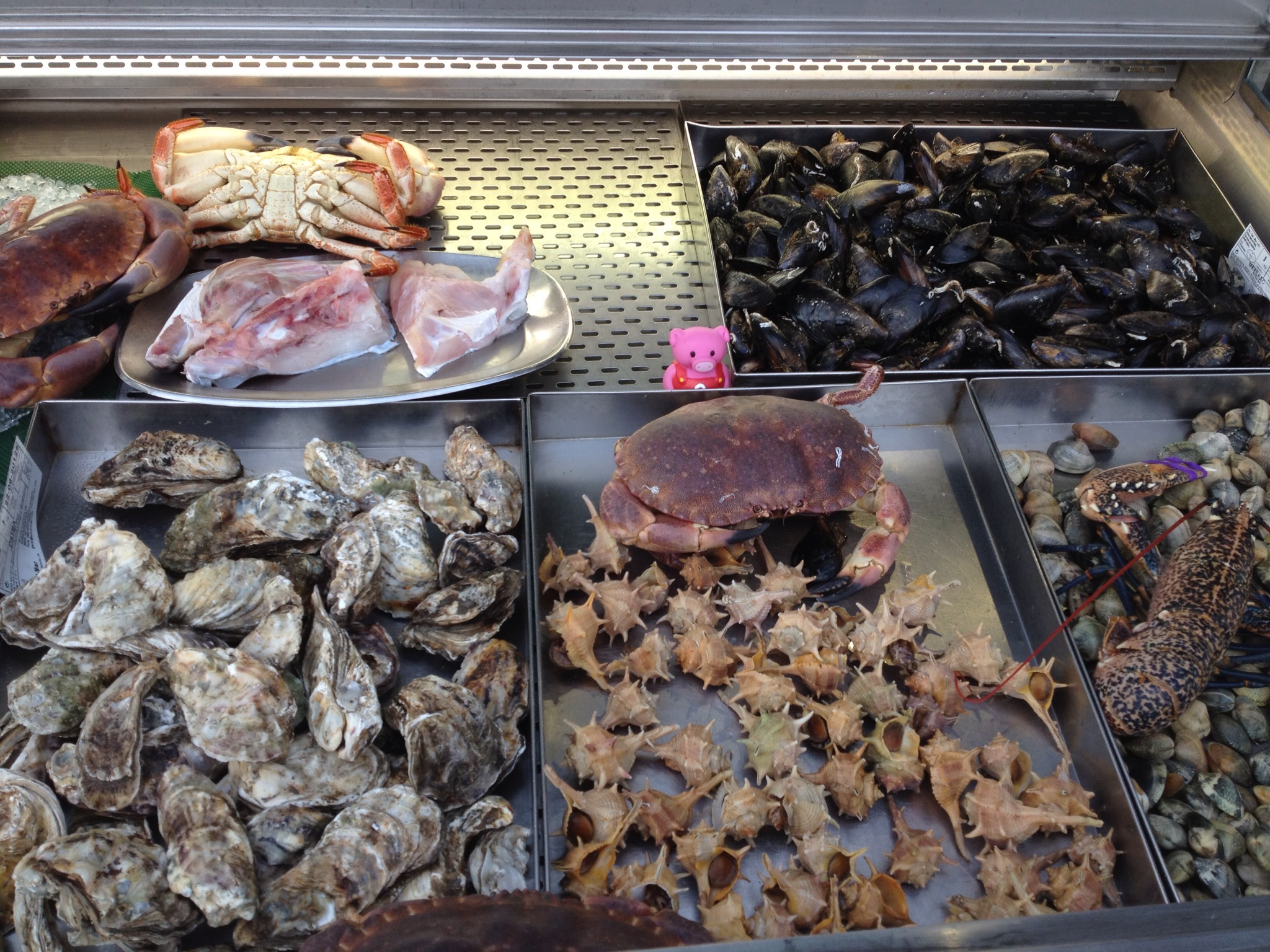
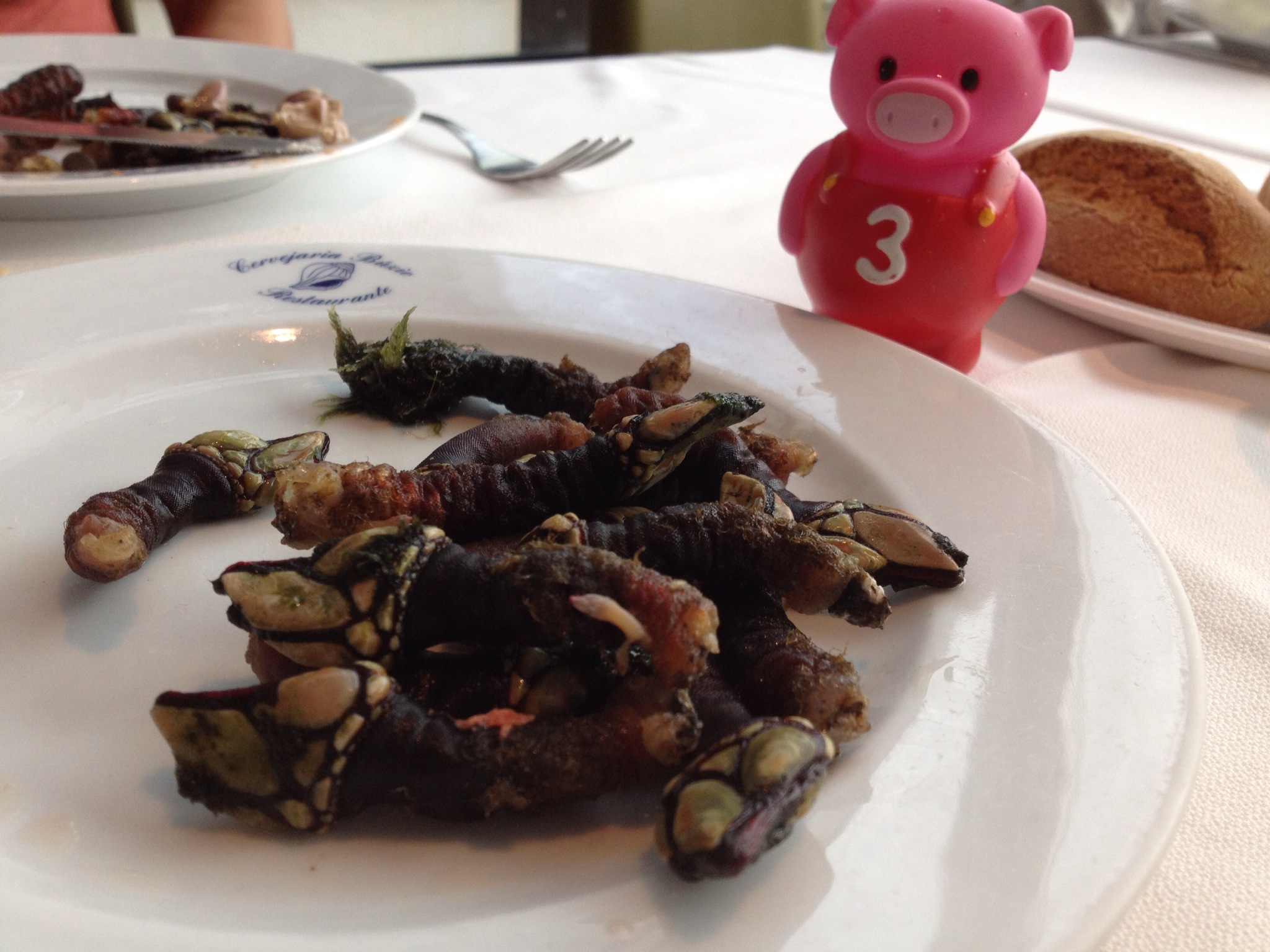
– If you love seafood, you will love Portugal.  Clams, mussels, octopus, fish, barnacles, squids, oh my! We couldn’t get enough of the seafood and it was really hard to order anything else on the menu.   Unfortunately, Soup-er Boy did not share in our enthusiasm, but thankfully he will eat shrimp, so he subsisted on a diet very high in shrimp content!  Now, Soup-er Girl is WHOLE other story!  She downed everything and had a particular fondness for the clams and barnacles.  Who knew!?  A girl after my own stomach.  And just wait until you hear what she ate in France…

To celebrate our 12 wedding anniversary, we left the kids at the villa with Next Doors and headed to Cantinho do Avillez in the Chiado neighborhood of Lisbon for a lovely dinner.  (Negotiating traffic and pedestrians in Lisbon is not for the faint of heart and being in the wrong lane at the wrong time did give us an unwanted tour of the less than picturesque waterfront.) The restaurant has gotten a fair amount of publicity recently courtesy of the NYT and we did encounter quite a few expats (a college professor from the Midwest and a gay couple from the Bay Area), but the meal was lovely.  Unfortunately, the lighting was not conducive for photos, so I can’t show you a picture of the amazing cherry gazpacho, traditional Portuguese steak sandwiches, or lemon sorbet with basil and vodka. But I will leave you with some other culinary photos:

Posted in musings, travel, Uncategorized | Tagged , , , , , , , | Leave a comment

Eyeballs and all: grilled whole fish with garlic and lemongrass

Remember when I told you that I love to eat weird things?  Well, I love eating fish eyes–all that gelatinous goodness!  To get the eyes, I need the whole fish.  Yes, fillets are more kid-friendly and certainly easier to obtain at American markets, but for me, fish is to meant to be eaten whole.  With fillets you don’t get the eyeballs or cheeks–two of my favorite parts!  Plus, cooking whole fish (steamed, fried, or grilled) results in much more moist and sweet flesh.  Remember to cook whole fish until it is almost done–the flesh along the spine should not be quite cooked–or your fish will by dry.

Since most Americans don’t like to look their food in the eye, finding whole fish can be quite challenging.  Asian markets are a good bet for fresh whole fish and often offer a wide selection, including live fish swimming in tanks!  The drawback of course is that I have yet to figure out the American versus Chinese versus Vietnamese names for all  those fish staring at me from their bed of ice.  Strange really as you’d think that it would be more difficult to identify fish by looking at only fillets.  But stores that carry fillets tend to be American and so labels are much clearer; Asian stores will often only have a price per pound marker.  So far I can recognize a catfish (thank goodness for them whiskers!), striped bass, flounder, mackerel and maybe tilapia.  If you can’t get to an Asian grocer Whole Foods will have some (over-priced) options.  Boston area folks can check out the various Market Basket locations; I’ve seen some whole striped bass and mackerel at the Somerville and Burlington markets. And if you’re lucky to live in Cambridge or Arlington head over to New Deal Fish Market and Fresh Pond Seafood.  When choosing whole fish, look for three things: clear eyes, bright red gills, and no smell.

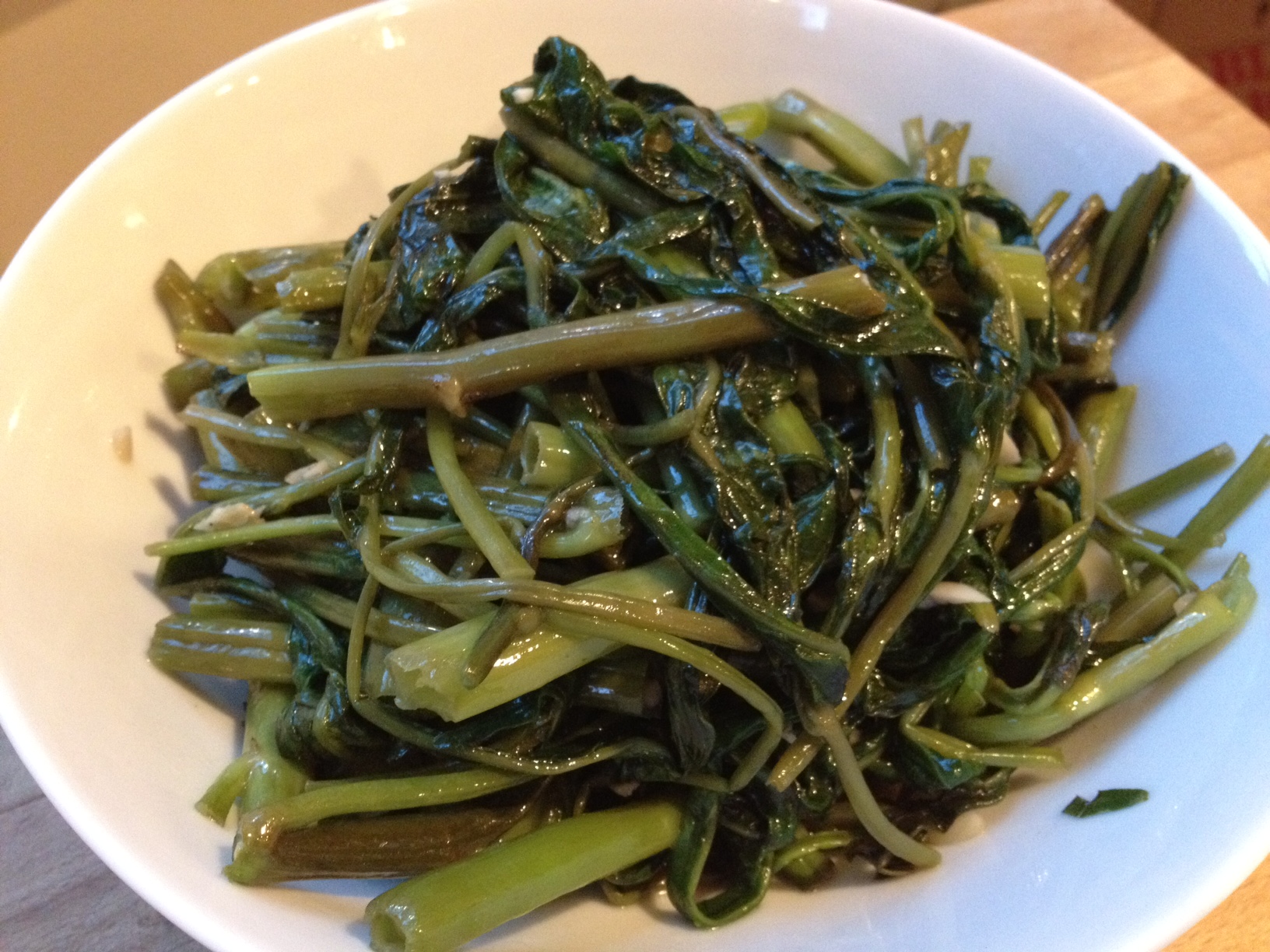
For the recipe below I used black sea bass (at least I think that’s what it is!) with garlic and lemongrass but other good choices include ginger, scallions, cilantro and even fennel.  The dipping sauce is key and little will go a long way. I round out the meal with some sauteed rau muong and white rice.

Fish and dipping sauce:
1 1/2 to 2 lbs whole striped bass or sea bass (or comparable white fish), cleaned and trimmed
1/2 teaspoon salt
1 stalk lemongrass, slice the thicker half into thin slices at a diagonal, mince the other half for the sauce below
3 cloves garlic, 1 clove sliced thinly and 1 clove minced
1 scallion, trimmed and cut in half
1 tablespoon lime juice
1 teaspoon fish sauce (add more to taste)
1 teaspoon sugar (add more to taste)
Thai bird chilis, thinly sliced (optional)

Rau muong (ong choy)
1 bunch (probably around 20 stalks) rau mung, rinsed and cut into 2-inch sections
2-3 garlic cloves, minced
2 tablespoons canola oil
1/2 teaspoon fish sauce (add more to taste)

Fish: Score fish 2-3 times per side, salt generously, and insert slices of garlic and lemongrass into the slits.  Insert lemongrass and scallion into belly cavity.  Grill 8-10 minutes per side over medium heat. Drizzle with scallion oil (optional).

Sauce: In a small bowl combine minced garlic, minced lemongrass, lime juice, sugar and chili (optional).  Serve with grilled fish.

Rau muong: In a large wok, heat oil over high heat until hot.  Add garlic and sautee until fragrant, about 20 seconds.  Add rau muong (in batches if your pan is too small) and sautee until mostly cooked, about 1 minute.  Add fish sauce and sautee until completely cooked.  They will wilt considerably.

Serve fish and rau muong with some fresh white rice.  Makes two servings.

Posted in recipes, Uncategorized | Tagged , , , , , , | Leave a comment

Summer travels: the 411

In June, after months of planning, we finally jetted off to Europe.  The last time we were in Europe was five years ago in Paris when Soup-er Boy was just two.  That was a long time ago… and before I had a blog.

This trip commenced in Portugal, where for one week we rented a lovely house 40 minutes northwest of Lisbon in a little town called Colares.  We were joined there by Next Doors, thereby taking the Commune to Europe for the very first time.  Hooray! None of us had ever been to Portugal, which is rather remarkable since between the four adults we’ve covered most countries in Europe.  After Portugal, the Commune headed to France, though we went our separate ways–we headed to the Dordogne as Next Doors (or at least 3/4 of Next Doors) headed to Paris.  In the Dordogne, we met up with my in-laws, with whom we shared a farmhouse for a week in the little town of Montignac.  Lastly, we headed to Paris (as Next Doors left Paris for the South of France) for a few days to round out our trip.  Phew!  It was just as tiring in real life as it sounds in words.  But boy was it worth it!

I had originally planned to post regularly about our meals and experiences but that was clearly overly ambitious as I found myself giving into vegging and sleeping every night.  The best I could do was to post photos on Facebook…

And speaking of travel, in discussing the details of our trip with friends and acquaintances, it became clear to me that many people were rather daunted by the idea of planning for a family vacation outside the US.  Friends wondered how we found the rental houses/apartments; how we chose our destinations; and even tips for child-friendly travel.  Lacking a magical vacation-planning wand and too cheap to use a travel agent, Mrs. Next Doors and I spent hours (probably more than 60) online, researching locations, houses, car rental, airfare, etc.  We tracked airfare and car rental prices on several sites and compared lists of houses/apartments we found on rental websites.  We scoured travel sites for advice on specific locations, activities, and even travel logistics.  At the end of it all, I had so much information running through my head that I couldn’t even sleep at night.  It was a relief to finally get on the plane!

As I recount our adventures, several people actually asked if I would help them plan their vacation.  Some even suggested that I could make a business out of it, which I’ll keep in mind just in case everything else fails.  In the meantime, I’ll share some general planning tips as well as our specific information from our trip.

Vacation rentals: I have used a number if different rental sites and services.  Depending on the location, sometimes using a rental service is a better option.  For rentals by owners I’ve had success with vrbo.com, homeaway.com (which is actually owned by vrbo), and flipkey.com.  The key to renting directly from an owner is asking the right questions both generally and for your specific needs–use a professional tone, but get the answers that you need to make a good choice.  Key things to keep in mind: location (proximity to public transportation/sites/restaurants), street noise, elevator, washer/dryer, crib/high chair availability, air-conditioning, and lease details (deposits, security deposits, final payment.)

A good dose of practicality also goes a long way.  If a property sounds too good to be true then it probably is.  If the owner is slow to respond or does not respond professionally, then that’s a red flag.  Read reviews carefully, just because one review is negative doesn’t mean that there is something amiss.  Lastly, read the lease carefully to understand what your responsibilities.

Here are the two of the three properties that we stayed at on this trip: Colares and Montignac.   Unfortunately, the owners of the wonderful apartment in Paris have suspended their rental property for now.

Airfare: Oy.  Air travel just seems to get more and more expensive!  We used a variety of websites to track airfare over a period of several weeks before making a purchase.  For starters we checked Kayak and Orbitz for general prices but mostly to determine specific routes and airline options.  With kids, we wanted the fewest possible transfers at the best possible price AND on a decent airline. Once we figured out the main carriers that serviced the desired routes, then we monitored prices on the airline websites because plane tickets are a funny business and the exact same itinerary may be priced differently on different sites due to a variety of complex calculations that make the US tax code seem like a walk in the park!

For the most part, simple roundtrip tickets shouldn’t be too complicated.  However, this time around we had divergent itineraries, international flights, and local flights to coordinate.  Once we were sufficiently confident that we were getting a reasonable fare and itinerary, we held our noses and jumped, which meant that Mrs. Next Doors and I sat side by side at the kitchen counter with our laptops and purchased the tickets simultaneously.

Car rental: I won’t insult anyone’s intelligence and tell you how to reserve a rental car online.  However, for European rentals, we were quite happy with both AutoEurope.com and Europcar.com; we used the former in Portugal and the latter in France.  They consistently had the best prices and great customer service.

Travel insurance:  This was the first time we bought travel insurance for an international trip and I’m glad we did even though we ended up not needing it.  For budget conscious travelers, insurance may seem like the straw that might break the trip-planner’s back, but I was quite thankful for the peace of mind.  Honestly, for two adults and two children on a 20-day trip to two European countries, it cost us less than $300 for a whole barge of coverage (that’s less than $3.75 ppd):

– trip delay/cancellation
– secondary medical coverage (including medical evacuation),
– more than $15k in trip interruption/cancellation (hurricanes, natural disaster, terrorist, event or even if there is a death in your family or a host’s family),
– compensation for travel delays and lost/delayed luggage
– hotel coverage for extended stays due to unexpected health emergencies
– coverage for personal items (phones, cameras, etc.)
– and of course, the less glamorous coverage in case of death, dismemberment, and repatriation of remains.

But you get the idea.  Traveling with young children can already be so stressful that I didn’t want to worry about the out-of-pocket costs if one of us gets sick or hurt.  And really, I kept thinking about that darn Icelandic volcanic dust cloud…

If you are interested in getting travel insurance for your next family trip, here are a couple of useful websites: squaremouth.com and insuremytrip.com.  Both sites offer the same insurance companies but sometimes different plans, so check both to get the exact coverage you need.  I also liked these two sites because they provide explanations for all the insurance mumbo-jumbo (i.e. trip cancellation versus interruption) in plain English, and they give you the option to individualize your coverage amounts.

Lastly, a word about medical coverage.  Many US health insurance companies provide some coverage when you travel internationally, so check with your HMO, PPO, etc. before you buy additional coverage.  In some cases, you may want to get some additional secondary coverage to supplement the primary coverage you already have.

Tripadvisor.com: I can’t possibly tell you how much I love this travel site.  This is my go to site for almost any travel-related question.  The site offers a wealth of information on lodging, eating, and sightseeing.  The forums are fantastic for more specific local information, from estimated travel times and transportation options, to hotel/apartment advice and itinerary planning.  As a true addict, I even read it for fun sometimes!

That’s it for the planning information.  Stay tuned for a post about the food from the trip! I’ll leave you with a few pictures:

Posted in travel | Tagged , , , , , , , , , , | 1 Comment

Bun thit nuong: grilled pork with noodles and herbs

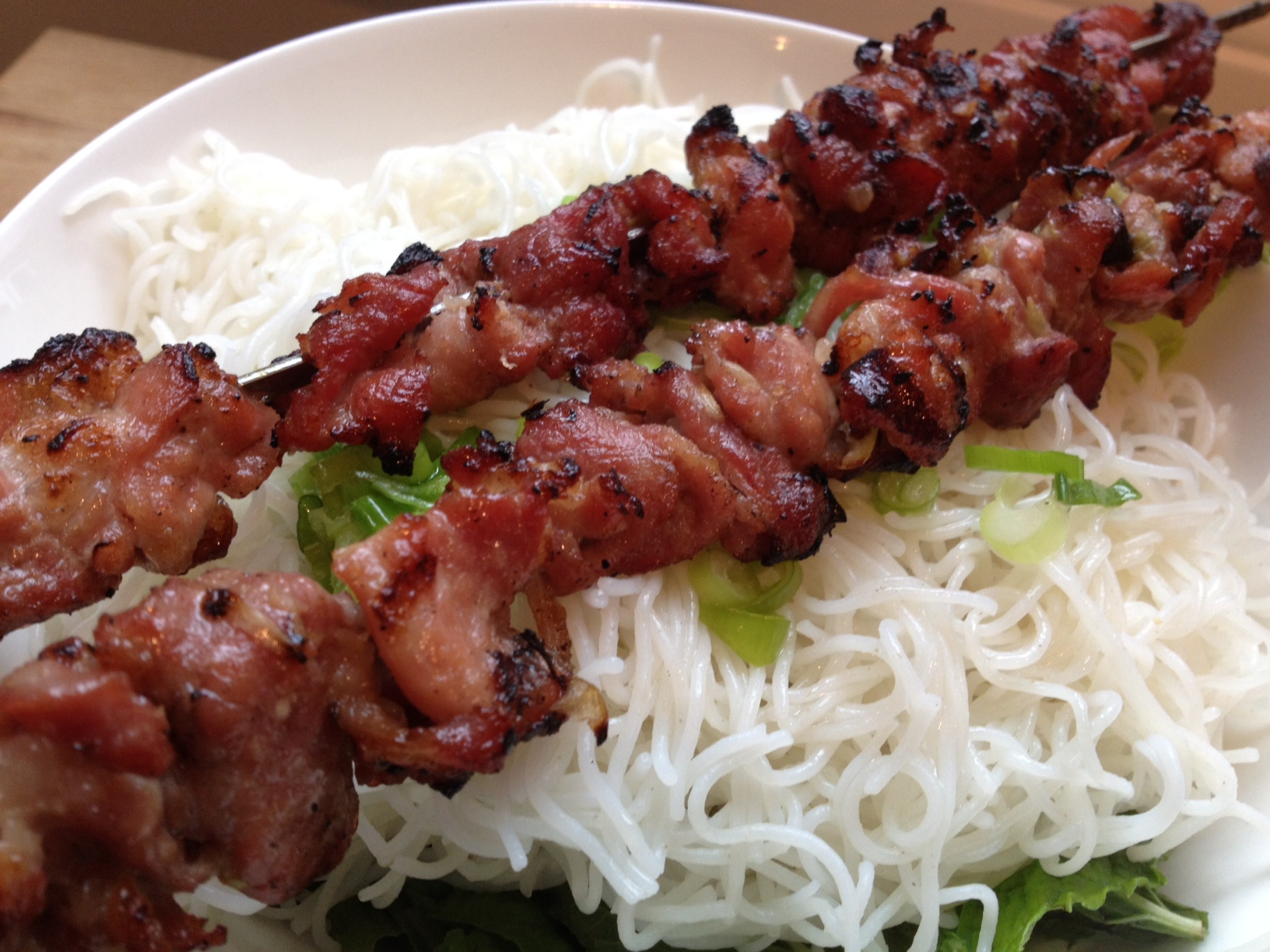
IMG_6760

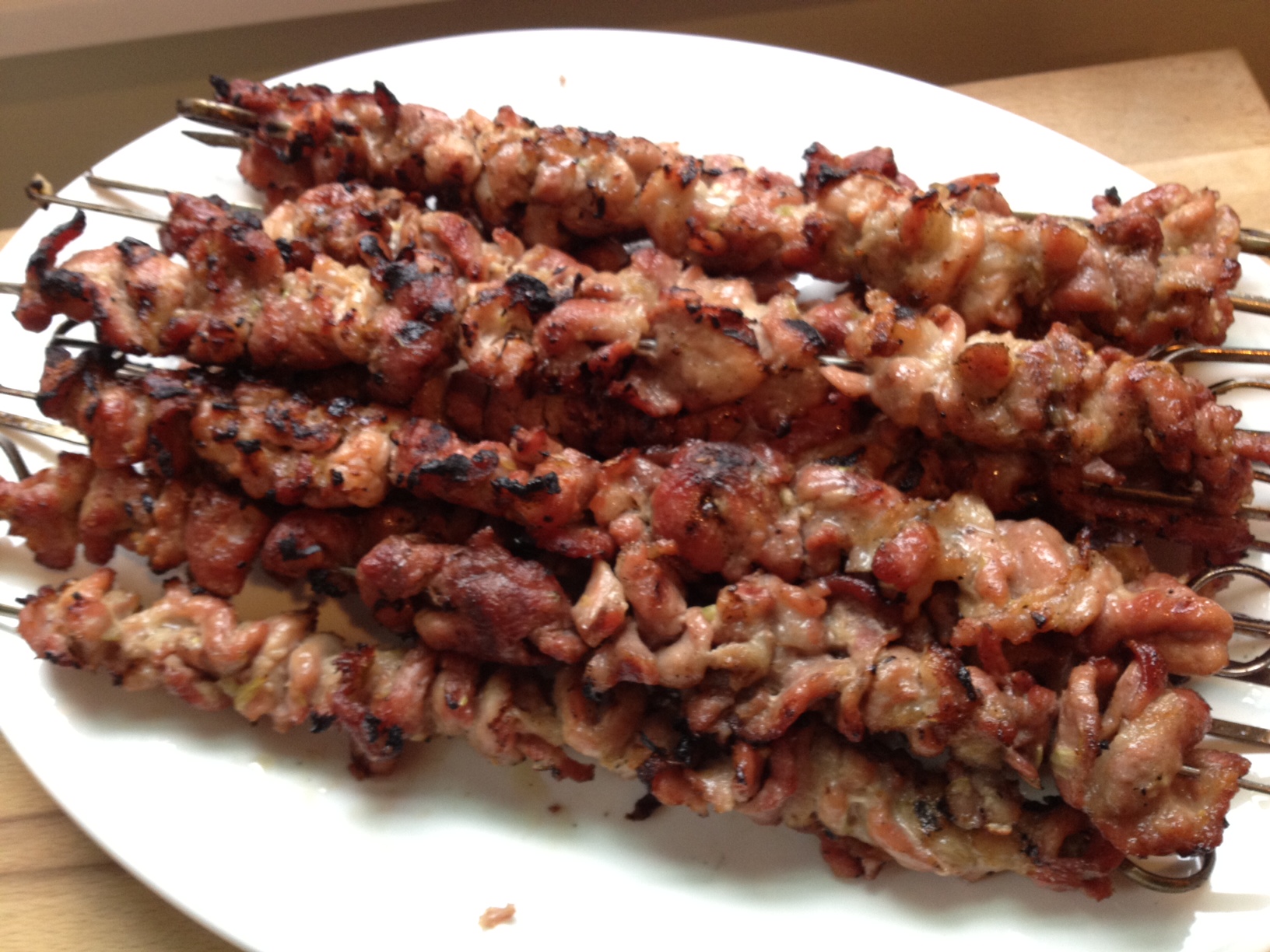
The photo above should really say it all. But just in case you still need an introduction, bun thit nuong (grilled pork with noodles) is a classic Vietnamese dish that appears on nearly every Vietnamese restaurant menu.  And boy, is it a fabulous treat for summer grilling!

Grilled pork:
2 lbs pork butt or shoulder, thinly sliced against the grain (a fatty cut is key to keeping the meat moist during grilling)
4 scallions
2 cloves garlic
1 shallot
3 tablespoons fish sauce
3 tablespoons honey
1/4 cup canola oil
1/2 teaspoon fresh ground pepper
8-10 metal skewers (if using bamboo skewers, get the long ones and soak them in water for 30 minutes)

Noodles:
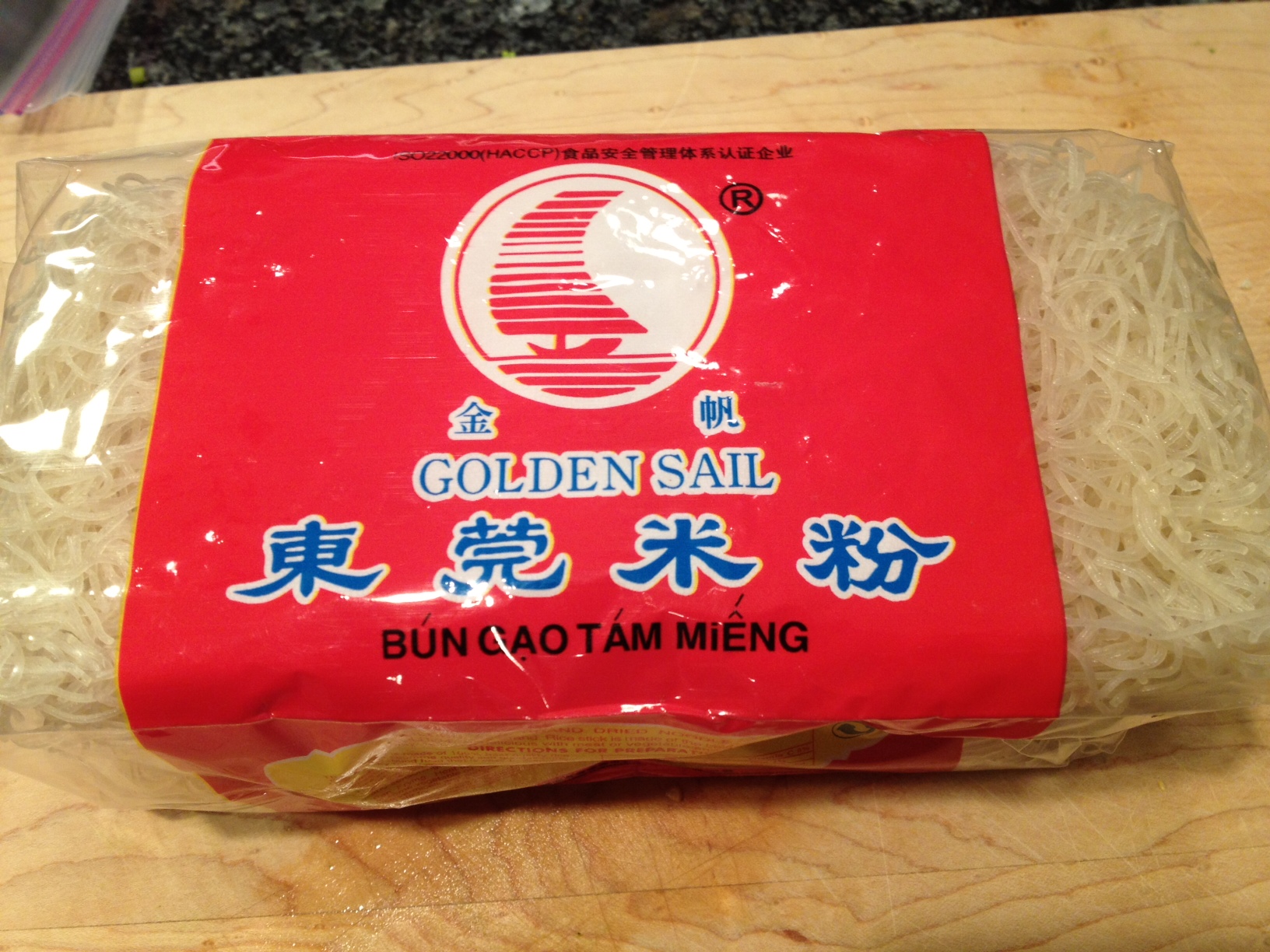
1 16 oz. package rice vermicelli (look for the word “Bun” on the package)

Lettuce and herbs:
8-10 leaves romaine lettuce, cut thin or shredded
1 cup fresh mint leaves, rinsed and dried (Thai basil would also work)
1 1/2 cups cucumbers, julienned
1 cup bean sprout, rinsed and dried

Scallion oil:
3 scallions, thinly sliced
a couple pinches of salt
4 tablespoons neutral oil, like canola or sunflower

Nuoc cham:
2 garlic cloves, finely minced
one Thai bird chili, minced or sliced if you don’t want too much spiciness
1/4 cup sugar
1/4 cup fresh squeezed lime juice
1/2 cup water
1/4 cup fish sauce

1/4 cup fried shallots
1/4 cup crushed roasted peanuts

Grilled pork: In a mini-prep (or food processor or blender), pulse the scallions, garlic, shallot, oil, soy sauce, fish sauce, honey and black pepper.  In a large mixing bowl, combine sliced pork and marninade, cover with plastic wrap and refrigerate for up to 2 hours. (Use the marinating time to prepare the noodles and herb salad.)  Skewer meat on metal or bamboo skewers, being careful to not pack the meat too tightly.  Light grill and when coals are ready, grill skewers for 4-5 minutes per side over indirect heat.  Transfer grilled skewers to a platter.

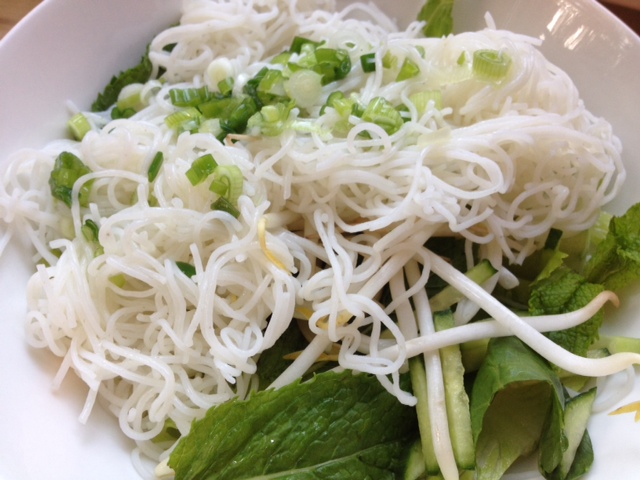
Noodles: Make the noodles while the pork marinates.  Place 3-4 quarts of water in a pot (enough to completely cover the noodles, use less if you are making less noodles) and bring to a vigorous boil.   Add dried noodle pieces and make sure they are entirely submerged.  Bring pot back to a boil and then immediately remove from heat and cover pot.  After five minutes, drain noodles and rinse thoroughly under cold water, shaking them to remove excess liquid.  Noodles should be room temperature, though not cold, for serving.

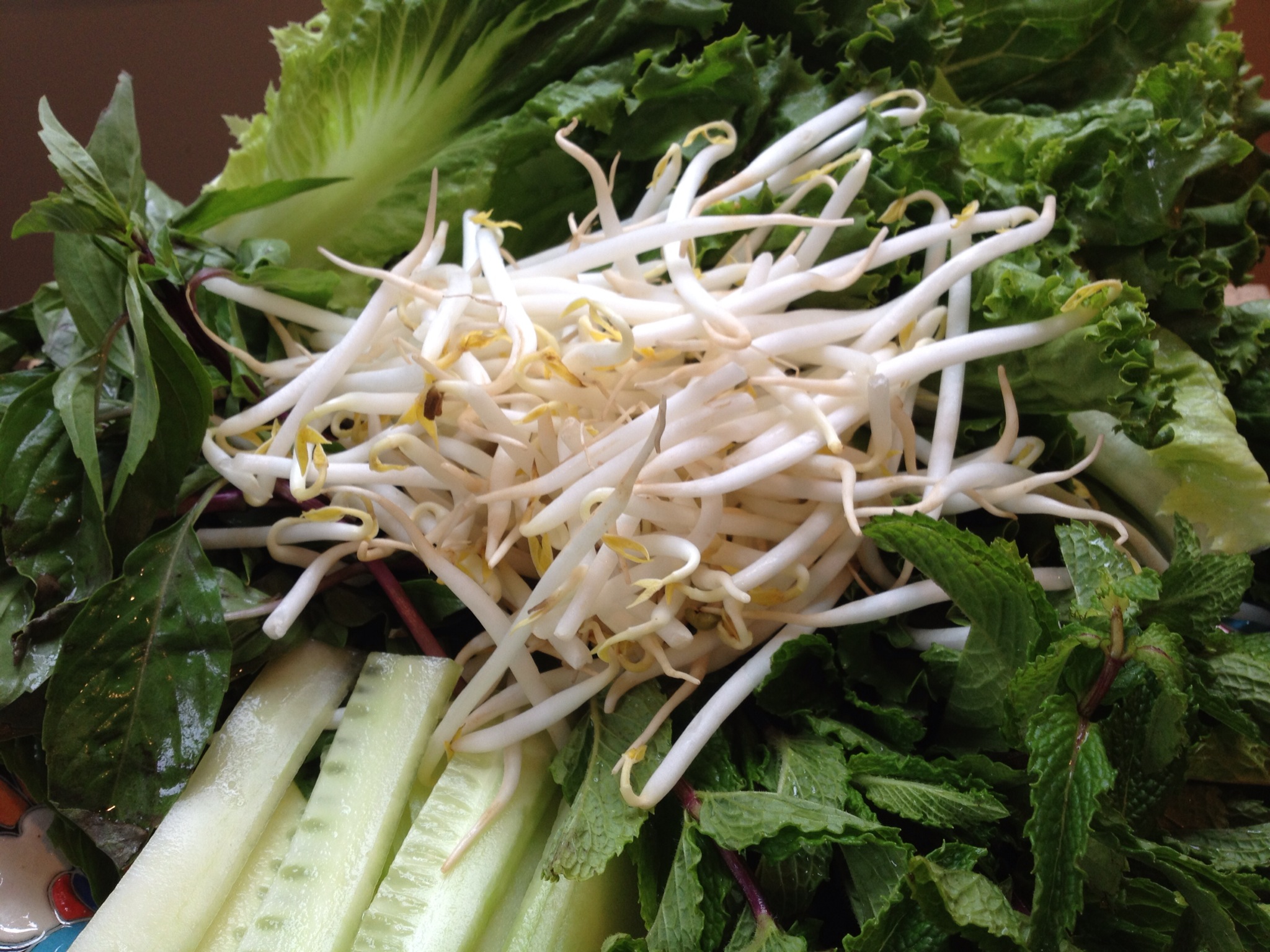
Lettuce and herbs: Combine lettuce, mint, cucumber, and bean sprouts in a medium bowl.  Divide into individual bowls.  Leftovers can be refrigerated for a couple of days.

Scallion oil: Heat oil in a small pan until very hot.  You can test the oil by dropping in a slice of scallion, if there is sizzling, then you’re good to go. Place scallions in a ramekin or other heat-resistant dish, add a pinch or two of kosher salt and pour hot oil over.  Allow mixture to sit for at least 5 minutes for the flavors to mesh.


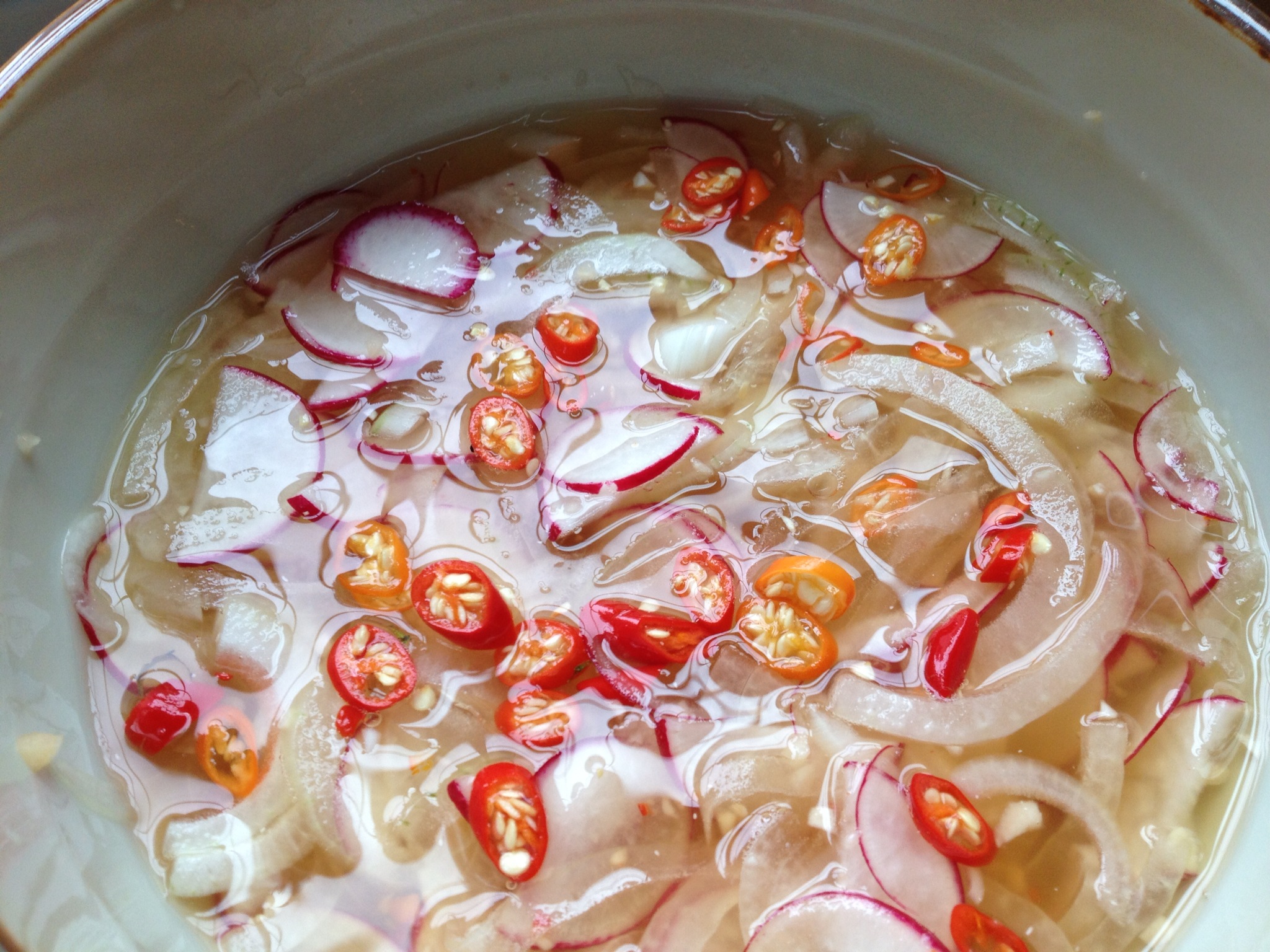
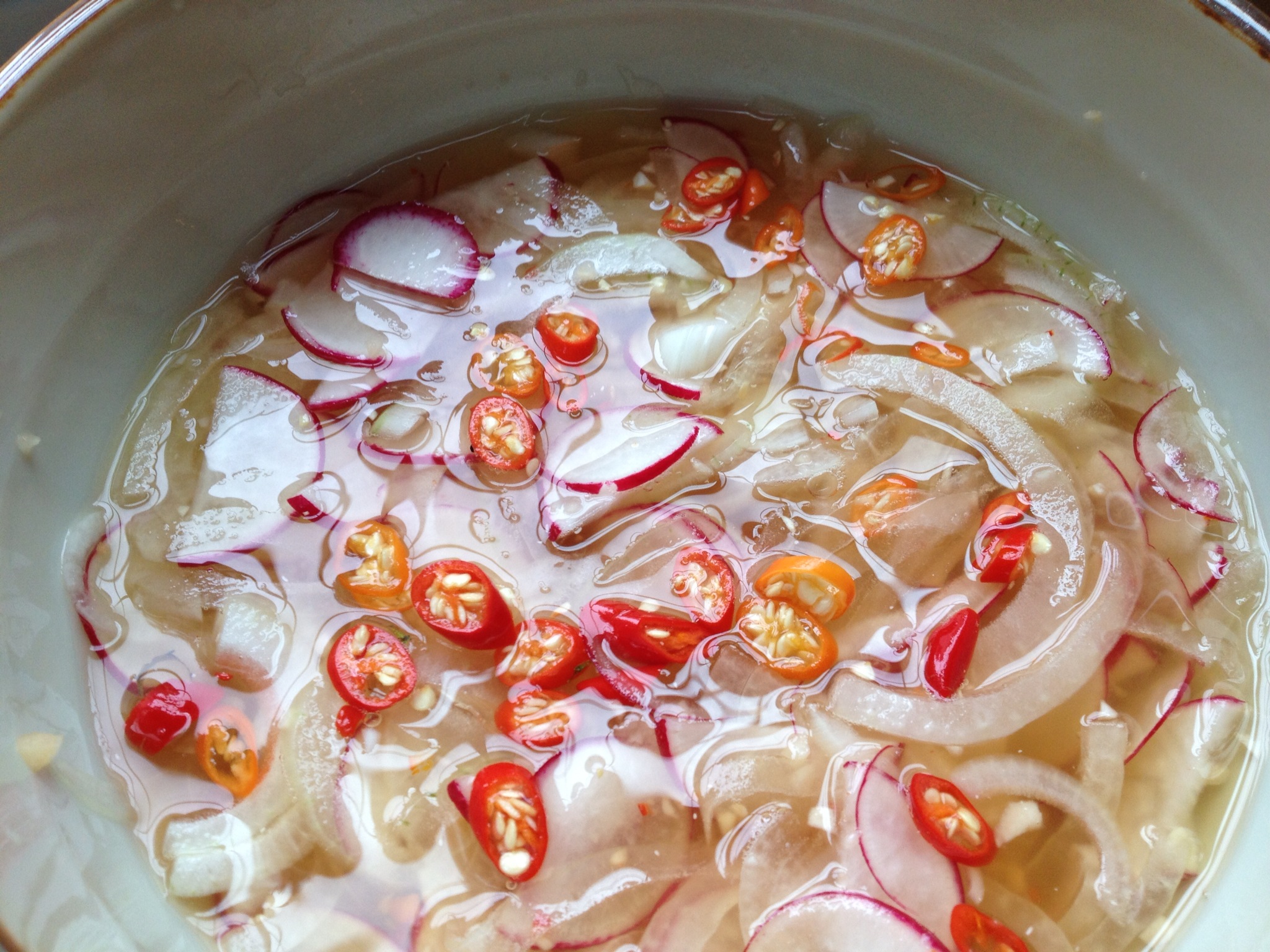
Nuoc cham: Every Vietnamese family has a jar of this sauce in their home and every one makes it a little bit different.  Some like it bit sweeter, spicier, saltier or more tart.  Use this recipe as a base and tweak to suit your own taste.  To avoid too much spiciness, slice the pepper into 2-3 chunks instead of mincing. Combine minced garlic, chili peppers, lime juice, sugar, water and fish sauce in a small bowl.  Stir to make sure sugar dissolves completely. Keeps in fridge for 10 days. In the picture I’ve also added some thinly sliced radishes and onions.

Assembly: Place a small handful of lettuce/cuke/bean sprouts/herbs in a bowl, then place roughly 1 to 1 1 1/2 cups noodles on top.  Add skewers atop noodles, garnish with scallion oil, fried shallots, crushed peanuts, and a couple spoonfuls of nuoc cham. Makes 4-6 servings.

Posted in recipes, Uncategorized | Tagged , , | 2 Comments

Banh xeo: sizzling crepes

IMG_0981Banh xeo is a popular Vietnamese crispy, savory crepe filled with pork, shrimp, mushrooms, onions, mung bean paste, and bean sprouts.  It is usually eaten wrapped in lettuce leaves with bean sprouts, cucumber, and a variety of aromatic herbs.
I don’t know why banh xeo has never been a particular favorite of mine.  Maybe it was the bean sprouts, to which I had an intense allergy as a child. Or maybe it was the mung bean paste, of which I wasn’t very fond.  Or maybe it was just the whole complicated process of it all–the myriad of fillings and garnishes, all of which need to be washed/prepared ahead of time.  And then there was the actual crepe making, not a quick process and a rather daunting one from the perspective of a young girl. But alas, as with many complicated Vietnamese dishes, I found myself wanting to conquer this challenge.  So, with some advice from mom (add eggs) and my brother (use beer), I took this one head on.  The first time was good but the second time was even better!  Unfortunately, I must confess that it really is a time consuming, though rather straightforward, effort.

Batter:
1 package banh xeo mix with turmeric
3 cups beer (the light and cheap stuff)
1 14 oz can of coconut milk, well shaken
2 eggs
5 scallions, green parts only, sliced thinly
vegetable oil (at least 1/2 cup)

Ground pork filling:
1/2 lb ground pork
1 teaspoon canola oil
1/2 teaspoon salt
1/4 teaspoon black pepper
5 scallions, white parts only, finely chopped

Mung bean paste (optional):
1/2 cup dried mung beans
1 cup water

Other fillings:
1/2 lb pork butt or loin, thinly sliced into bite size pieces
1/2 lb small shrimp, peeled and de-veined
1/2 lb shiitake mushrooms, stems removed, thinly sliced and sautéed lightly
1 medium yellow onion, thinly sliced
3 cups bean sprouts, rinsed and drained
salt and pepper

Lettuce and herbs:
12 leaves green leaf or Boston lettuce, rinsed and dried
1 bunch mint leaves, rinsed and dried
handful cilantro, rinsed and dried
1/2 english cuke, sliced into thin 2-inch long slices

nuoc cham (Note: I also like to slice up half a large onion and a few radishes and add them to the nuoc cham, which pickles them.)

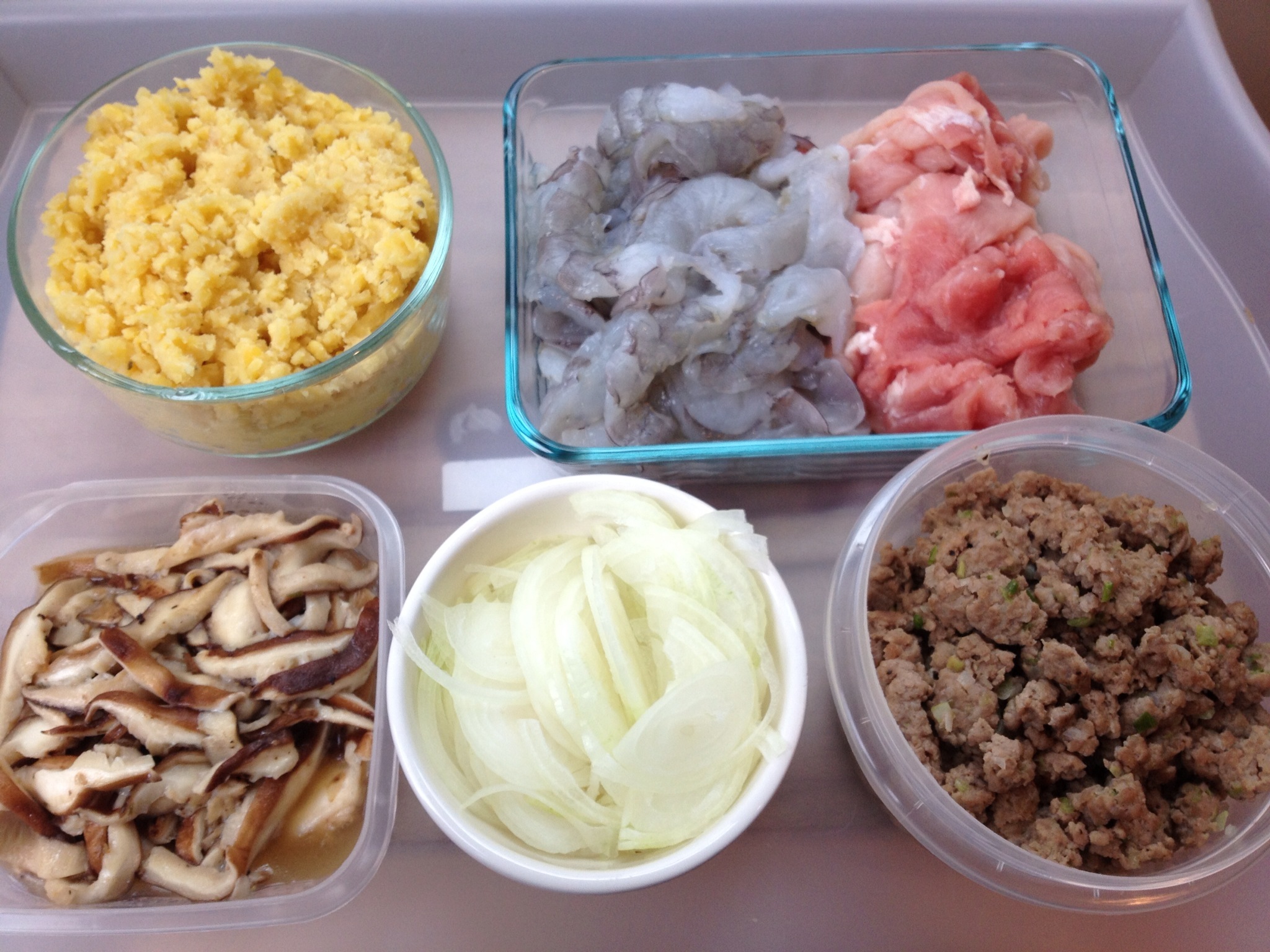
Prepare all the fillings first and have them assembled around the stove for easy access during cooking.  And if you’re feeling particularly confident, get two pans going!

Ground pork filling:  In a bowl, mix ground pork, 1/2 teaspoon salt, 1/4 teaspoon black pepper, and chopped white parts of the green onions.  In a sauce pan heat one teaspoon canola oil on medium-high heat, add ground pork mixture, breaking up any chunks into small pieces. Brown evenly and set aside.


Mung bean paste: Thoroughly rinse and drain mung beans and place in a pot with water.  Simmer on very low until beans are cooked through, about 6-8 minutes. Turn off heat and leave covered for 5 minutes.  You can either mash the beans or leave them whole. Fluff with a fork and set aside.

Note: I haven’t quite perfected the mung bean paste yet.   You may want to start with just 3/4 cup water and add more as needed.  The beans are cooked when they are soft but you don’t want them to be too mushy.  The desired consistency is like mashed potatoes without any milk, butter, etc.

Lettuce and herbs: By now you must realize that many, if not all, Vietnamese meals are accompanied by a platter of lettuce, bean sprouts, cucumber and aromatic herbs.  I tend to use mint, cilantro, and Thai basil, which are regularly available at most Asian markets.  If you are lucky, you’ll also find some purple perilla too. Just wash and dry all the lettuce and herbs and assemble on one or two communal plates.

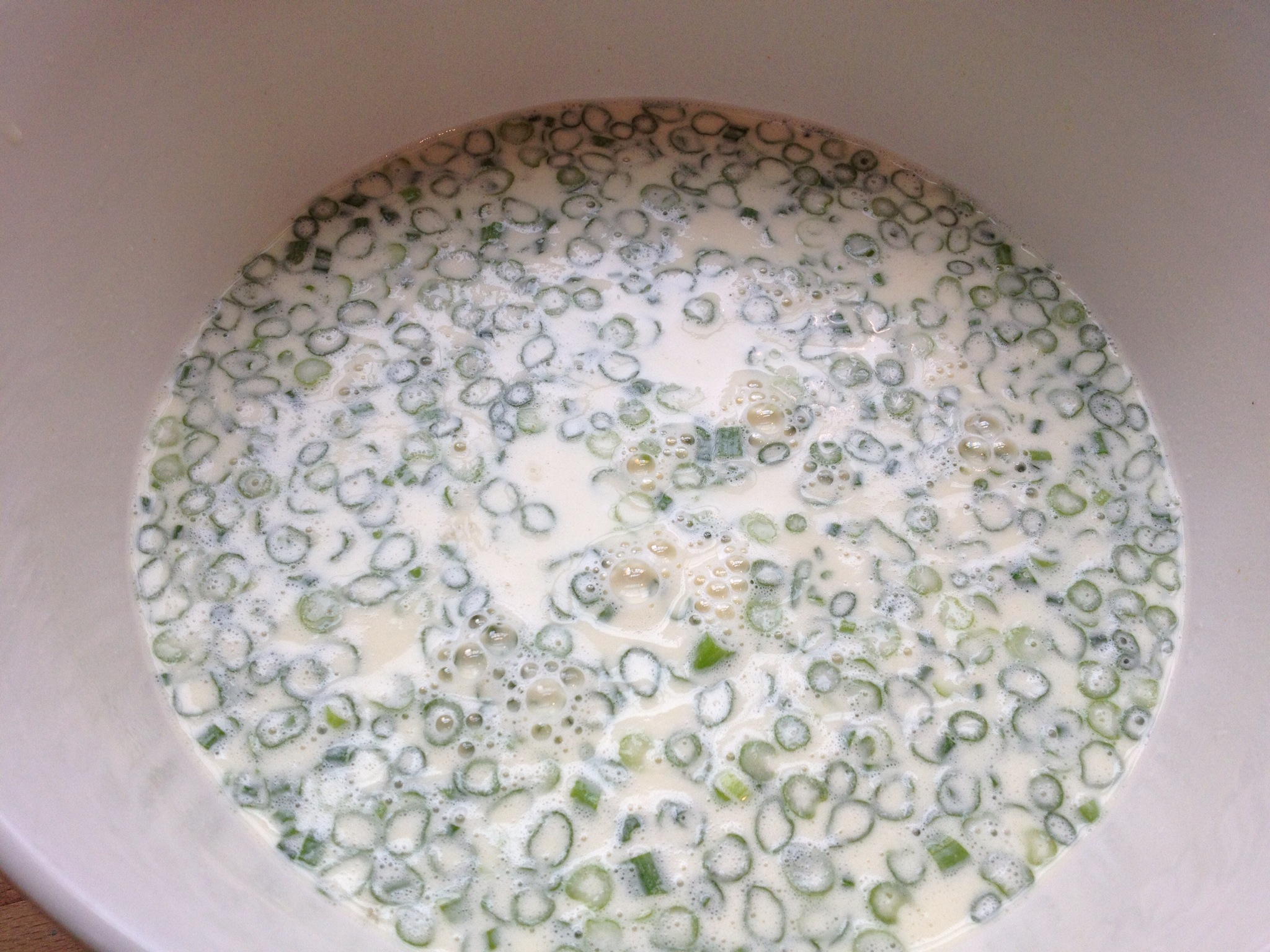
Batter: In a large mixing bowl, combine the packaged banh xeo mix, turmeric, beer, coconut milk and eggs until smooth.  Add sliced green onions.  Using beer instead of water increases the crispness of the crepes.  And the addition of eggs helps to keep the banh xeo more flexible, which is key during the folding process.

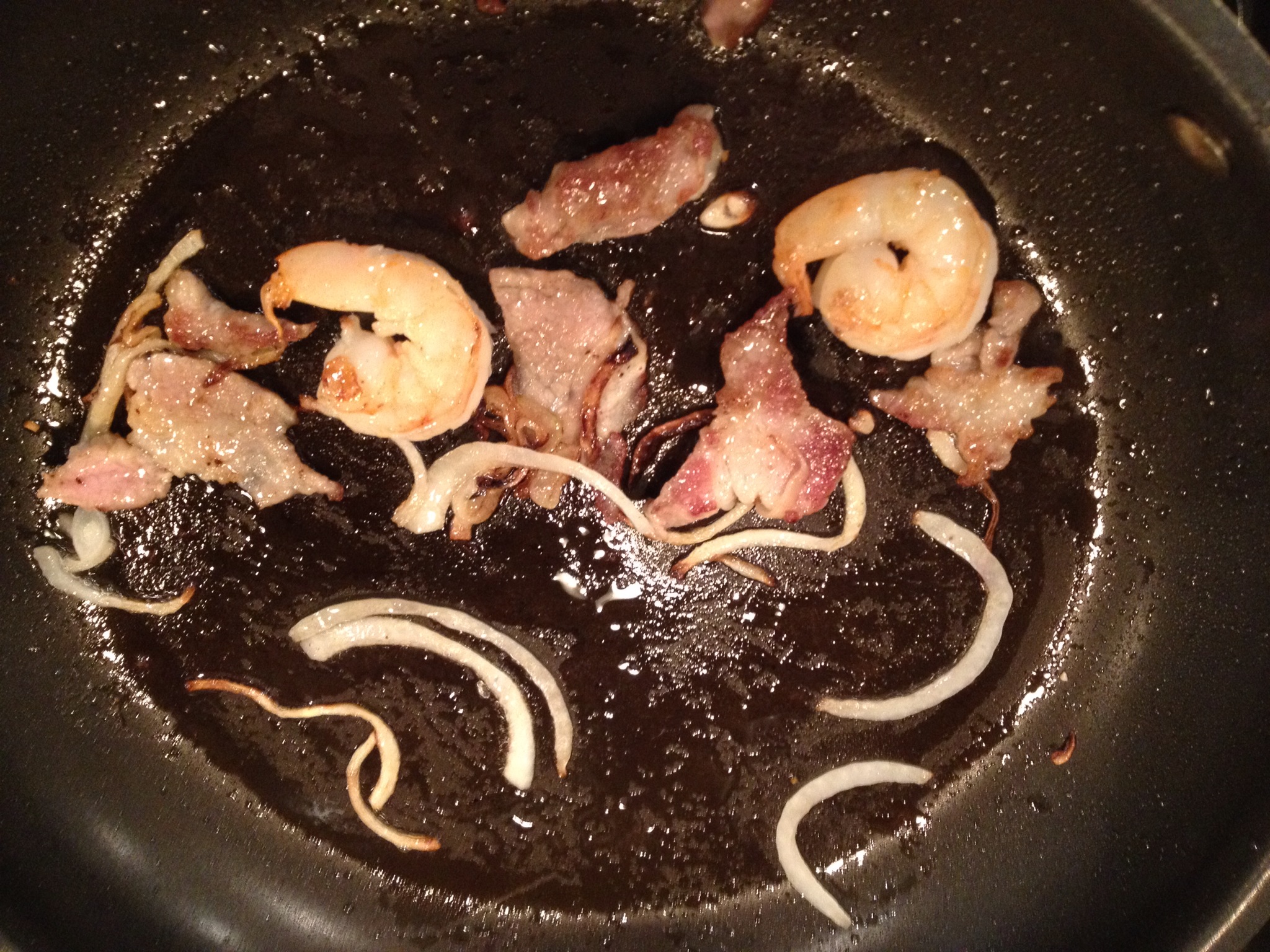
When you are ready, pre-heat oven to 250 degrees and heat a 10 or 12-inch nonstick pan on medium-high heat and brush generously with oil.  When the pan is hot, add a few slices of onion, pork and two shrimp, adding a couple pinches or salt and pepper.  Arrange the cooked meat, onions and shrimp in one half of the pan (see photo)–keeping all the filling on one side makes it easier to fold the banh xeo in half later.

Once pork and shrimp are cooked, give the batter a stir and pour about 1/2 cup into the pan, swirling the pan to even out the batter.  Lower heat to medium-low, cover loosely with a lid for 2-3 minutes, then cook uncovered for another 2-3 minutes, drizzling crepe edge with oil (I use a brush for this).  As banh xeo is cooking, add ground pork, mung bean paste (if using), mushrooms, and bean sprouts to the half of that already has the pork and shrimp.  Once edges are crisp, fold banh xeo in half and cook for an additional  minute or two, lowering the heat as necessary.  Banh xeo should be crisp and yellow.  Remove and place on baking sheet in oven.

Repeat.

As you can see, this is not a quick process.  Depending on the size of your pan, it may take 6-8 crepes to finish the batter.  As you become accustomed to the process it is possible to work with two pans at once.  If your guests don’t mind some table talk, I prefer to make enough for one round of eating at a time so that the banh xeo don’t sit too long in the oven.

Serve banh xeo with the lettuce, herbs, cucumber, and nuoc cham.  Some people like to break off a piece and roll it with herbs and cuke, dipping in nuoc cham.  Others like to place everything in a bowl or plate, drizzle with nuoc cham and eat with chopsticks.  I prefer the former with either a good pilsner or glass of cold Vouvray.  Happy eating!

serves 4-6

Posted in recipes, Uncategorized | Tagged , | Leave a comment

Home again.

Another vacation, another long posting hiatus. After all the airplanes, trains, cars, subway, buses, and achy feet, we are home again.  This time it was a whirlwind 19+ days through Portugal and France.  There were many sites visited and much food and drink consumed.  And once the kids recover from jet lag (they’re currently waking up around 2:30 AM and 5:00 AM) I will do my best to write-up our adventures.  In the meantime, I’ll post a recipe for banh xeo in the next couple of days.

I’ll leave you with a few mental images: Soup-er girl eating barnacles, foie gras and more foie gras, macarons, Berthillon ice cream and weak pho in Paris!

Posted in musings, travel, Uncategorized | Tagged , | Leave a comment

That’s not pho-nny!

I came across this NYT piece a few weeks ago and let it go. The writer seemed to have good intentions about making healthy, tasty soups and I’m a firm believer in “to each their own.” But then I wrote my own pho recipe, which reminded me about the complexities of this soup, and when a friend posted the same article again on her Facebook page, my reaction was far different.

So what is it with Americans that we can’t seem to leave good enough alone when it comes to ethnic foods? Why the urge to Americanize things and make them healthier? Is vegetarian pho really healthier? Not necessarily. Beef or chicken pho is pretty darn healthy already–when made with good ingredients from scratch these soups have low fat content and no processed additives. (And really, the folks in Vietnam really don’t strike me as the unhealthy and obese types.) I have long suspected that many attempts at making ethnic food more American or “healthy,” has more to do with replacing unfamiliar ingredients with more familiar ones–particularly when American cooking tends to shy away from the nose-to-tail approach.

But back to the vegetarian pho and my beef with it. (Haha! Sorry, couldn’t help that one.) As my cousin succinctly pointed out, “It’s not like there isn’t a Vietnamese vegetarian tradition that we need to rely on NYT writers to invent veggie dishes for us.” Exactly. There is a whole plethora of delectable Vietnamese vegetarian dishes. After all, with a deep Buddhist tradition, vegetarian offerings are part of the daily meal-scape in Vietnam, ranging from simple sauteed veggies to rice paper rolls stuffed with tofu and herbs as well as temple food, which tend to make use of imitation meat. In addition to the monks and temple devotees, many average Vietnamese families follow the lunar calendar and refrain from meat and fish when the moon is full and on other auspicious days. So rather than trying to Americanize and vegetarian-ize dishes, why not whip up some grilled eggplant with scallion oil, green papaya salad or spiced tofu with tumeric? And if you’re really hardcore, it is amazing what real Vietnamese cooking can do with imitation meat—lemongrass chicken, grilled pork with noodles, and even braised fish in caramel sauce.

Let me be clear that I have no problem with people cooking whatever they’d like based on inspiration from other cultures, specific dishes, or even just aromas and memories. But what really bugs me is when writers try to make ethnic dishes more “healthy” and still think that it bears any resemblance to the original. It is entirely one thing to make a vegetarian version of something or substitute ingredients for allergies, and indeed there are Vietnamese restaurants that serve vegetarian pho, but it is truly blasphemous to use quinoa or soba noodles just for the sake of fusion or a nod to trendy health foods. Or to put it another way, it is no longer pho, just soup.

Posted in musings | Tagged , , | Leave a comment

Pho bo

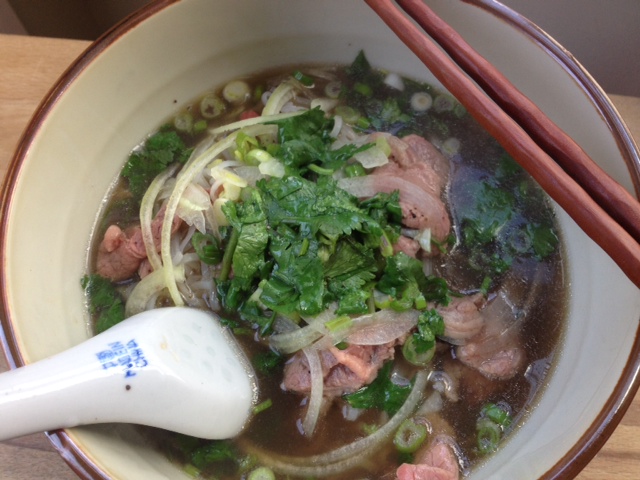
IMG_4359

Pho bo, the most aromatic and satisfying noodle soup from Vietnam, and probably the country’s most high-profile cultural export, needs little introduction. But for those of you who have yet to encounter a magical bowl, the key to any good pho broth is the long-simmering of beef bones (I prefer marrow bones and oxtail) and an infusion of ginger, cinnamon, cloves, anise, and other spices.

It took me many years to work up the nerve to make pho–the long list of ingredients and many hours of simmering was simply too daunting–but once I got the hang of it and figured out which bones/cuts of meat work best (and are easy to obtain), I’ve been brewing up a pot every few weeks. The recipe below is my first attempt to put anything into writing, so please be forewarned that the ratios and proportions may need to be tweaked. The technique and ingredients, though, are pretty spot on. Lastly, I’ve limited the meat toppings to just two (sliced steak tips, and beef shank, both are relatively easy to obtain) but as any reputable pho menu will attest, there are many other options, ranging from beef tripe and meatballs (which you can buy pre-made) to beef tendon. If you are in an adventurous mood, drop me a message and I’ll give you some pointers on the other stuff. Happy slurping!

3 lbs. beef marrow bones
2 lbs. beef knuckle bones
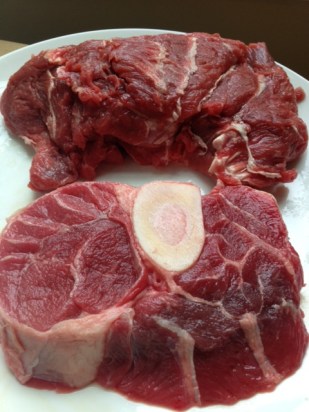
2 lbs. oxtail (see photo below)
1 lb pork hock/bones
1.5 lbs. beef shank (a little more if using cross-cut, see photo below)
1.5 lbs. steak tips, sliced thinly against the grain
1.5 lbs. fatty beef brisket (optional)
2 medium onions, charred and scored
3 3-inch pieces of ginger, charred and bruised
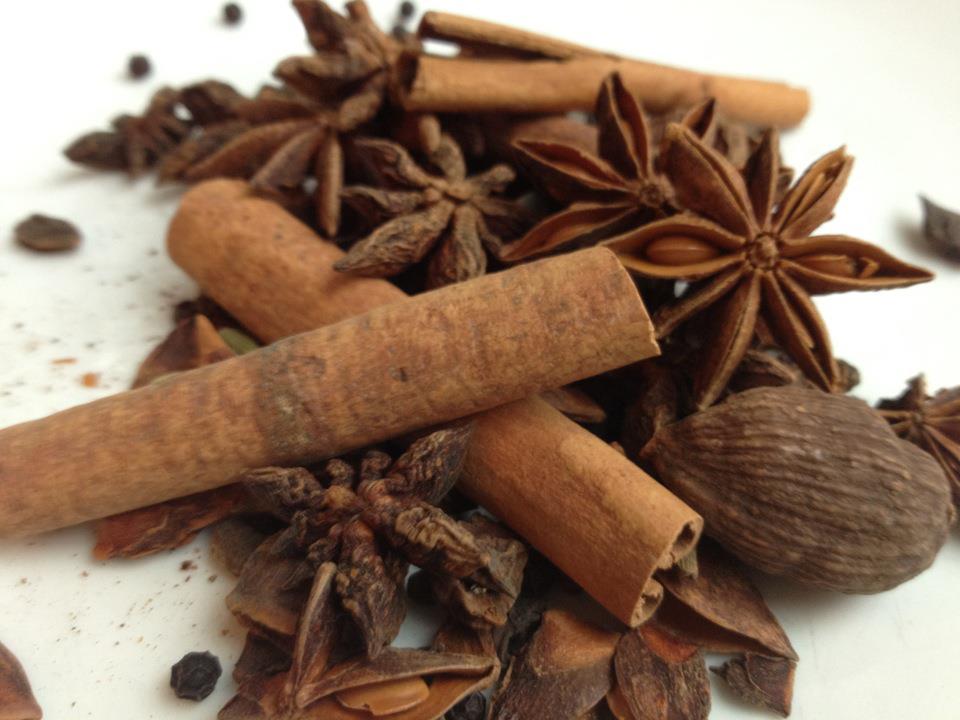
1 package pho spices (or  2 3-inch cinnamon stick, 3 black cardamom pods, 6-8 star anise, 6 cloves, 1 teaspoon coriander seeds, and 1 teaspoon whole black peppercorns)
salt to taste (about 1/4 cup but start with less and add more to taste)
(NOTE: As with most Vietnamese soups, using a large pot, at least 12-quart capacity, is key to allow all bones and meat to be entirely submerged during simmering.)

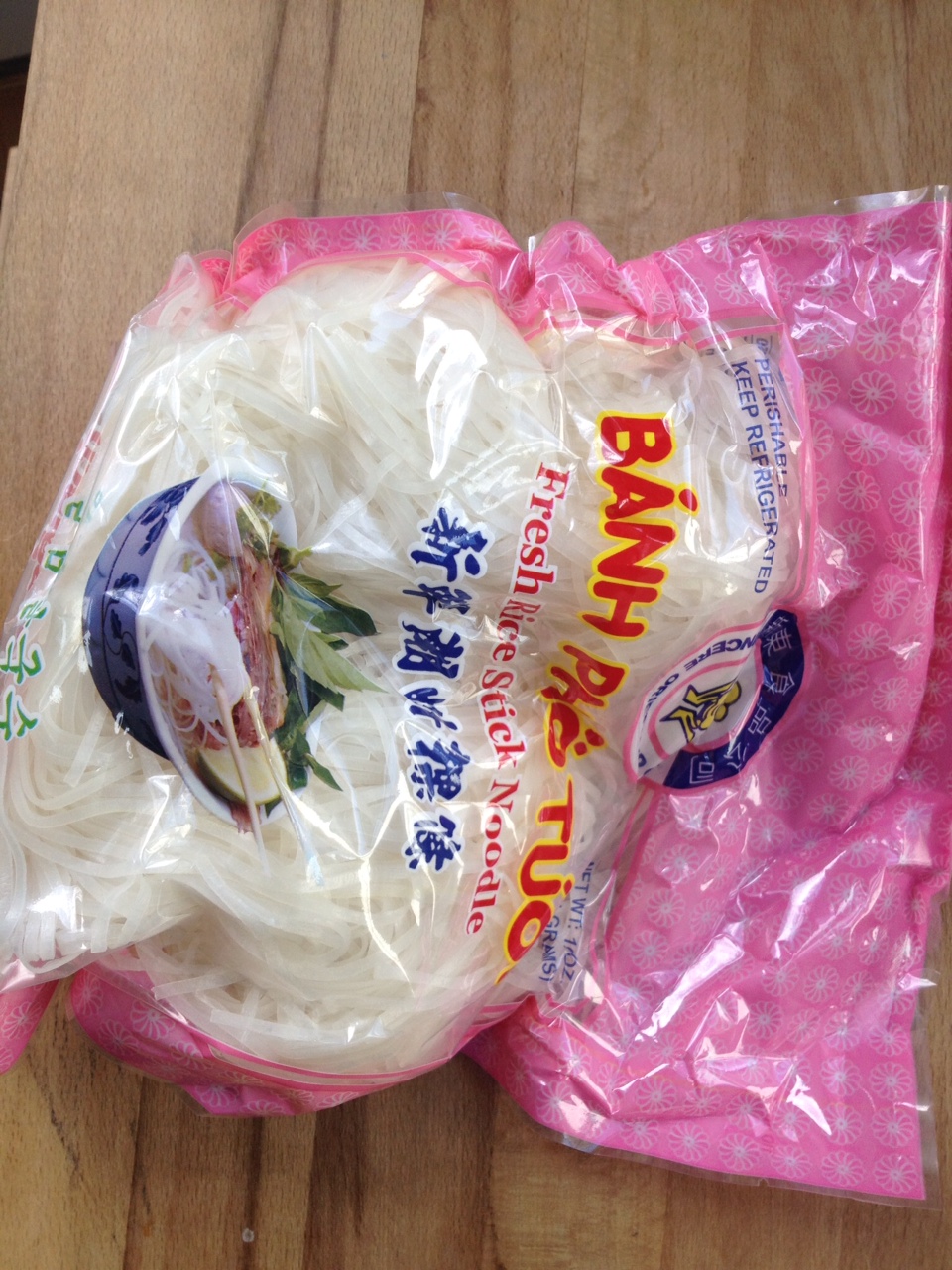
3 packages fresh or dry pho noodles (also known as pad thai noodles)
4 scallions, thinly sliced
1 small onion, thinly sliced (about 1/2 cup)
3/4 cup cilantro, coarsely chopped

10 sprigs Thai basil, rinsed and dried
2 cups bean sprouts, rinsed and dried
2 limes, cut into wedges
4 red bird chili, optional
fish sauce to taste
hoisin sauce
Sriracha hot sauce

photo-43

Oxtail

photo-44

Cross cut beef shank

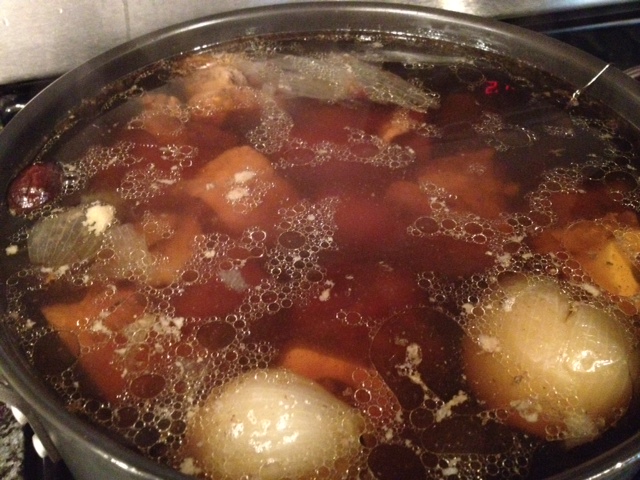
Soup: In a large (6 qt. or bigger) pot, bring water and 3-4 tablespoons salt to a boil. Working in batches and starting with bones first, boil bones and beef shank vigorously for 5 minutes. Remove and rinse bones and meat thoroughly before placing in a clean 16 qt. pot of water, making sure that the bones are completely submerged. As soup simmers, char ginger and onion either directly over a flame or broil in the oven. Watch ginger and onion closely and turn frequently to char as evenly as possible. And when I say char, I mean BLACK–see photo. Once cool, peel charred ginger and onion skins. Score onions in quarters and add whole to soup pot. Cut ginger into several section, bruise each piece with a pestle or knife handle and add to the soup pot. Skim off fat and impurities as needed. After about 1 1/2 hours, remove brisket and beef shank and submerge in cold water until cool. Slice thinly against the grain and set aside. Continue to simmer soup for an additional 8-10 hours, skimming off impurities and replenishing with water as needed. Note: You don’t have to simmer nonstop–just turn off the stove if you leave the house for a bit or decide to turn in for the night, and restart the simmer again later.

About 2 hours before eating time, quickly toast spices in a toaster or in a dry pan for 1 minute, then place into a cheesecloth (or a large mesh tea ball), tie close and add to soup pot.

Make sure to taste the broth every 30 minutes or so to see how it is coming along.  The end product should be very aromatic, though it shouldn’t taste bitter from the spices. Remove spices after 1 hour. Season broth with salt as needed.

Remove and discard bones and spices. Skim thoroughly. It is not necessary to strain the broth, but you can if you’d like.

While soup simmers (or really at any point), slice the steak tips as thinly as possible against the grain. For nice and thin slices, you can even pop the steak tips into the freezer for a couple of hours before slicing. Refrigerate sliced beef in a covered container until you are ready to assemble the bowls.

Noodles: I much prefer fresh pho noodles to the dry ones, but use whatever you can
get. If using dry noodles, soak them in some warm water for 10 minutes and drain before cooking. Bring a pot of water to a boil and cook noodles in small portions, dunking each portion (placed in a strainer like this one) into the water for 30-40 seconds (longer if using dry noodles), using chopsticks to swirl them for even cooking. Noodles should be softened but
slightly firm to the bite. Place cooked noodles into individual serving bowls. Note: each package of dry yields 4-6 portions, packages of fresh noodles yield about 4 servings.

Assembly: On top of the noodles, place a few slices of cooked beef shank and then
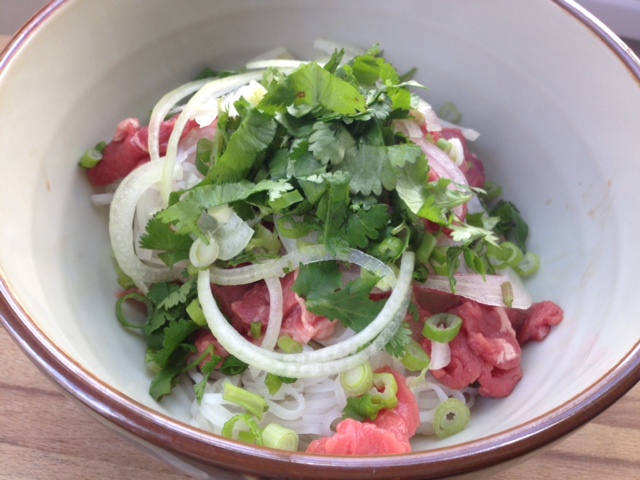
some raw steak tips. Top it all off with a generous sprinkling of sliced onions, scallions, cilantro and a pinch of black pepper. Bring soup to a low boil and ladle some into each bowl, making sure to pour some directly on the raw beef to “cook” them. For those who like well-done meat, using a slotted spoon or mesh strainer, dunk the raw beef slices directly in the broth to cook them before placing them in the bowl. But really, rare is best!

Serve immediately with fish sauce, hoisin sauce, Sriracha hot sauce, and a communal plate of Thai basil, bean sprouts, lime wedges, and chili peppers, with each person adding what they like. Tip: Place dollops of hoisin and hot sauces in individual dipping bowls and dip as you eat–YUM.

Makes about 12-16 servings, so be sure to invite some friends!

Posted in recipes | Tagged , , | 3 Comments